Foreword: Desperate for the strongest.
Lao Huang has a bad habit. The top graphics card on the desktop always needs to be castrated!
Both GTX 1080 Ti in Pascal’s era and RTX 2080 Ti in Turing’s era castrated 256 stream processors on the complete core. In the Ampere era, the top RTX 3090 also cut off 256 stream processors on the complete GA102 core.
Why does P.S. chop 256 stream processors every time?
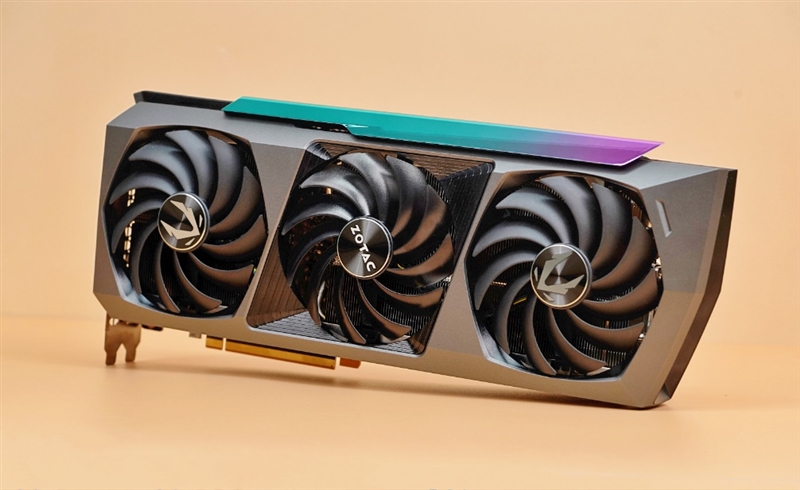
Today, the rumored RTX 3090 Ti has finally been lifted. It is the first TITAN-level desktop graphics card that has not been castrated at the core for many years, and its positioning is 8K games and content creation!
However, even if the full version of GA102 has 10,752 stream processors, it is only 256 more than RTX 3090. Obviously, the 2% performance improvement is not enough to support Lao Huang’s ambition.
To this end, NVIDIA directly relaxed the TGP of RTX 3090 Ti to 450W W. With such horrible power consumption, its acceleration frequency was directly increased from 1695MHz of RTX 3090 to 1860MHz, a full increase of 165MHz.
Horrible 450W power consumption, complete 10,752 stream processors and abnormally high core frequency, it’s hard to imagine how far RTX 3090 Ti can reach!
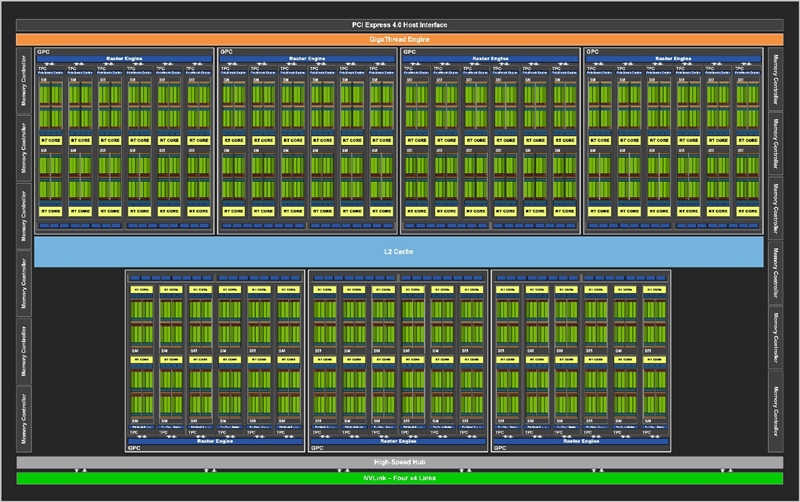
This is the complete GA102 core, with 7 sets of GPC, 84 sets of SM units with a total of 10,752 stream processors, 112 ROP, 336 texture units, 336 third-generation Tensor Cores and 84 second-generation RT Cores. With 24GB GDDR6X memory, the memory frequency is 21GHz, the bit width is 384Bit, and the bandwidth is 1008 GB/s..
Although it is the same as RTX 3090 with 24GB GDDR6x video memory, the capacity of a single video memory is increased to 2GB, which means that there are only 12 video memories in total, all of which are placed on the front of PCB board. Compared with RTX 3090, the heat dissipation pressure of the video memory is reduced a lot.
The detailed specifications of RTX 3090 Ti are as follows:
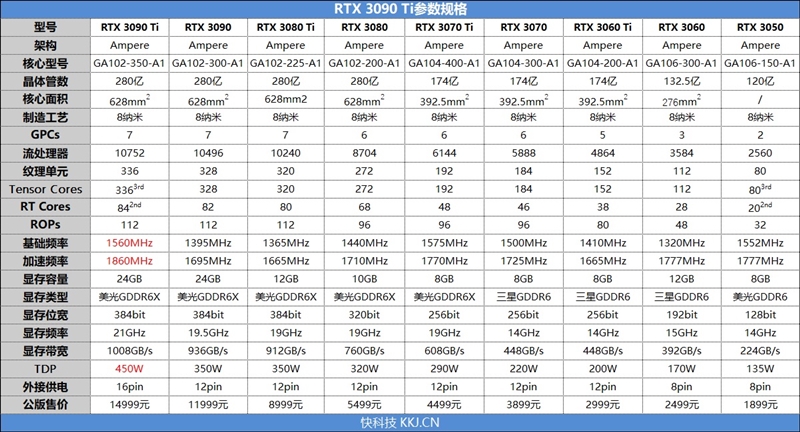
As can be seen from the above table, the frequency and power consumption of RTX 3090 Ti have been horribly improved.
However, even if the power consumption is sharply increased to 450W, it is not easy to make GA102 run at such a high frequency! For this reason, NVIDIA had to choose the core with better physique to make it RTX 3090 Ti, and the lack of enough high-quality cores was one of the important reasons why RTX 3090 Ti was released until today.
Since RTX 3090 Ti has not been released in China, we used a RTX 3090 Ti PGF from Sotai in this first test.
Second, Sotai RTX 3090 Ti PGF picture appreciation: 8 ice pulse heat pipes+super large vapor chamber.
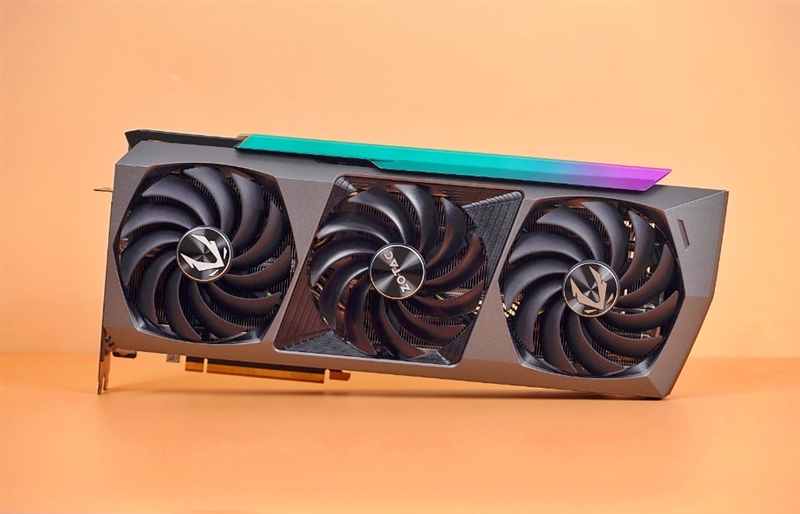
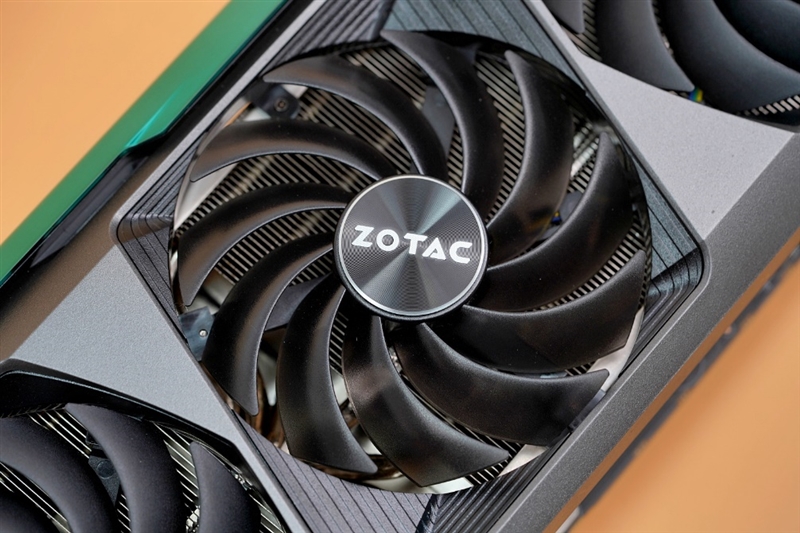
11 fan blades.
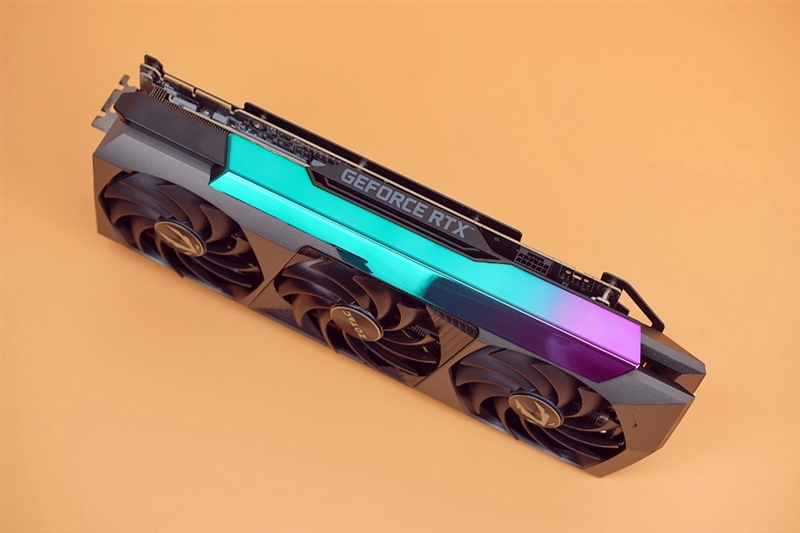
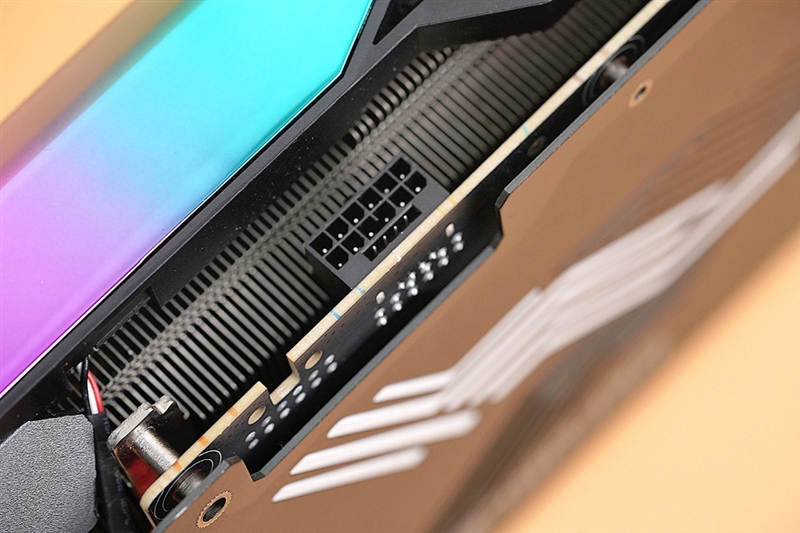
The brand-new 12+4Pin power supply interface is not compatible with any previous graphics card power supply interface, so you need to buy a matching power supply again.
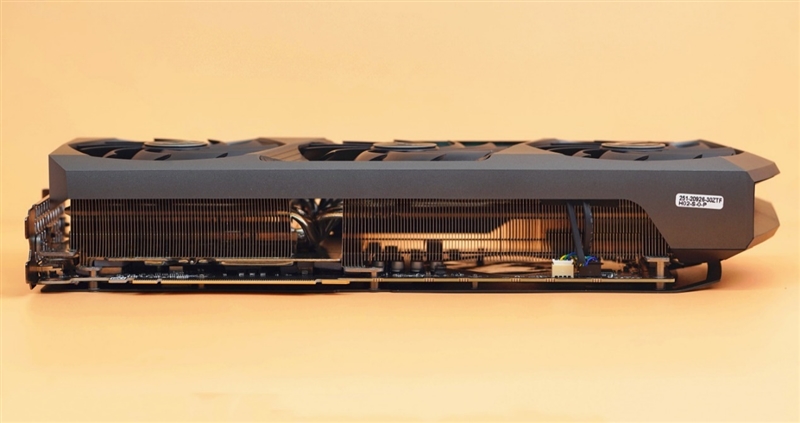
Bottom view, the thickness is 63mm, the standard thickness of 3 grooves.
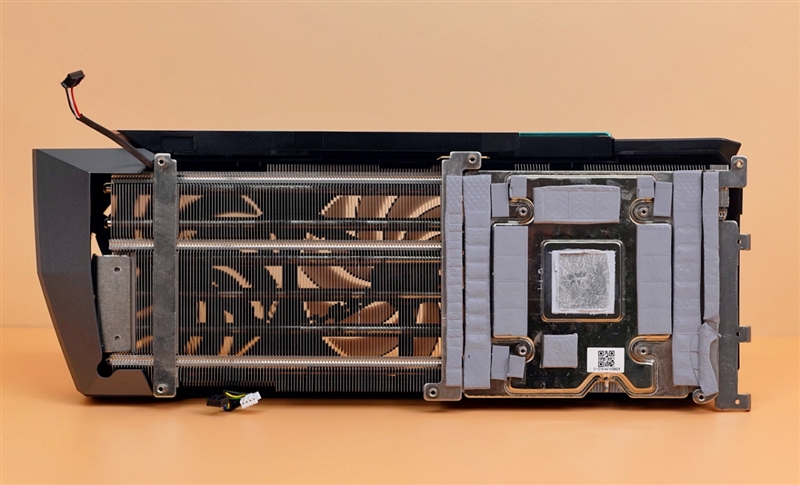
This should be the worst radiator ever piled by Sotai.
Eight ice vein composite heat pipes, a super-large area of vapor chamber and even a video memory are covered.
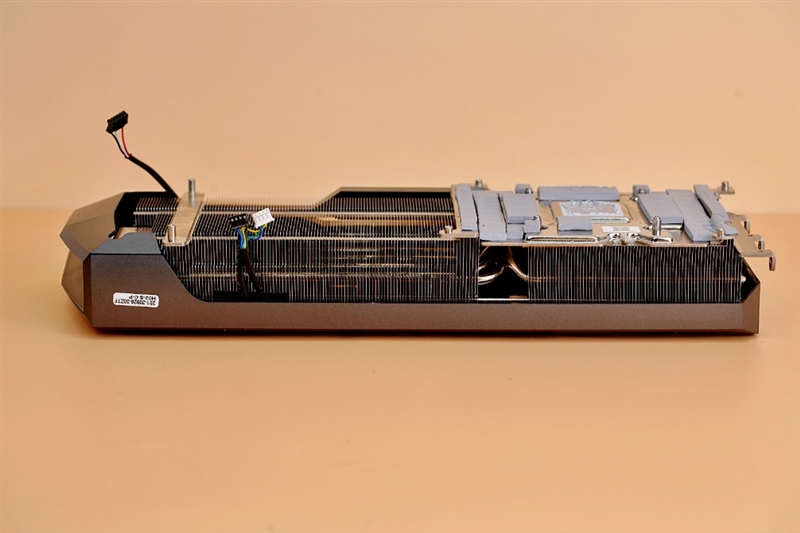
Feel the weight of the radiator.
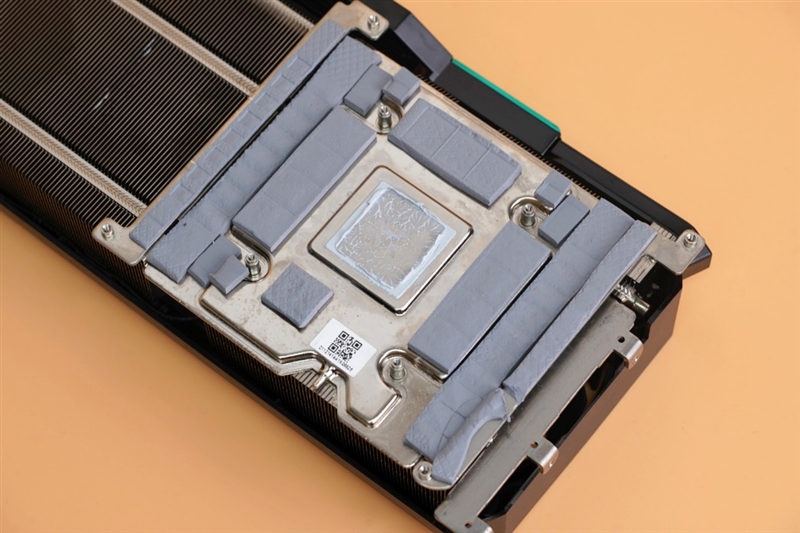
Close-up of vapor chamber, covered with thermal pads.
It is to let the fan directly blow through the graphics card and improve the heat dissipation efficiency.
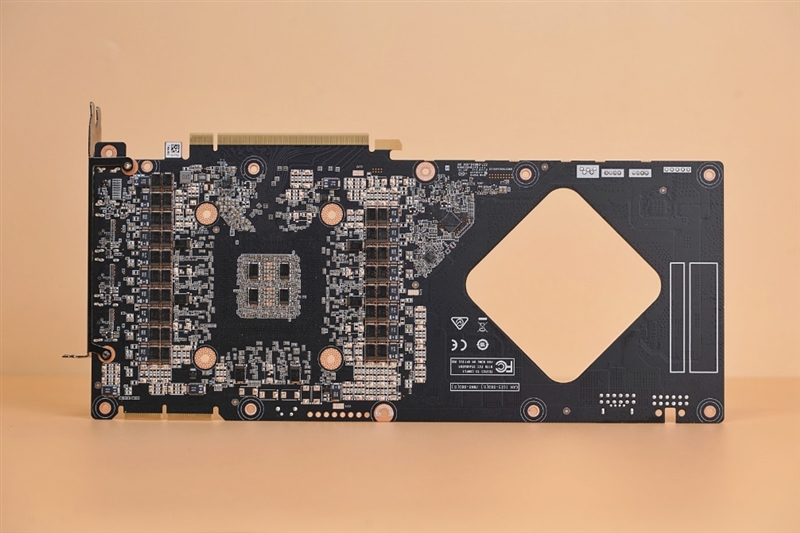
On the back of the PCB board, you can see that a part of the tail end is empty, in order to let the fan directly blow through the graphics card and improve the heat dissipation efficiency.
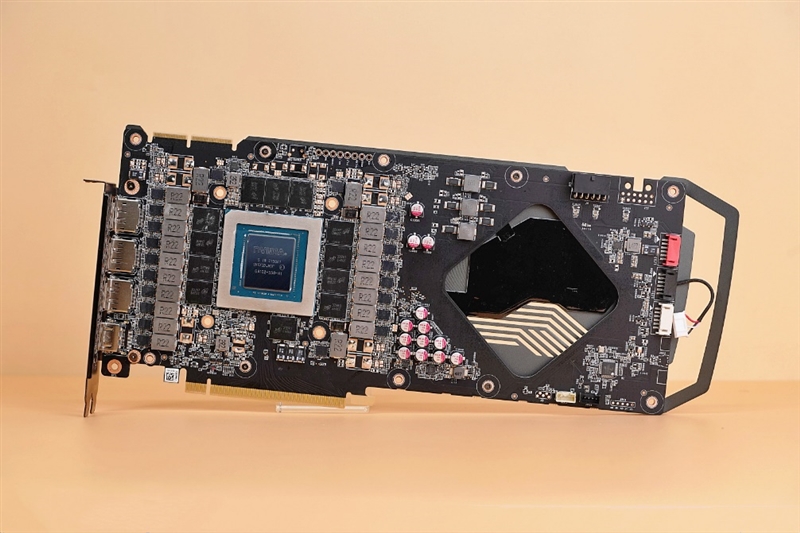
The PCB board looks big, but in fact, the main components are on the left.
RTX 3090Ti PGF OC is equipped with Sotheby’s S.E.P power supply system, 18+3 phase power supply circuit design, integrated DrMOS is used for power supply MosFET, and tantalum capacitor is used for power supply capacitor.
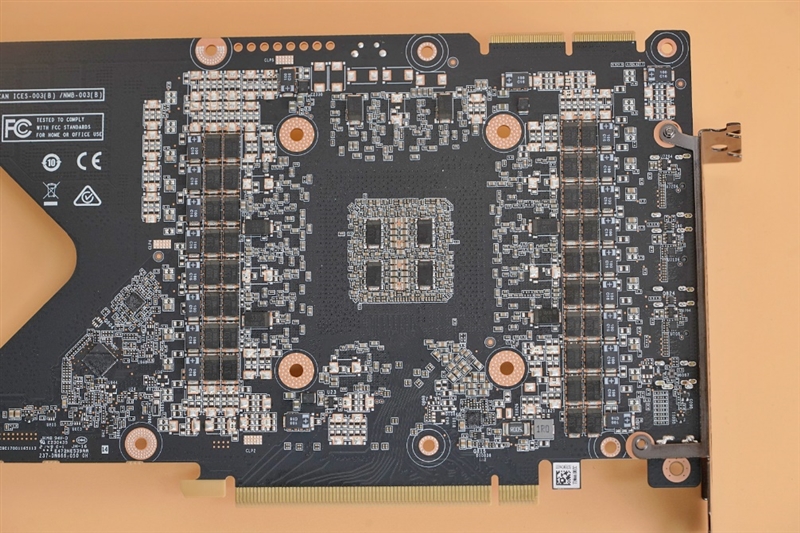
The front can’t fit, and some tantalum capacitors are placed on the back of PCB.
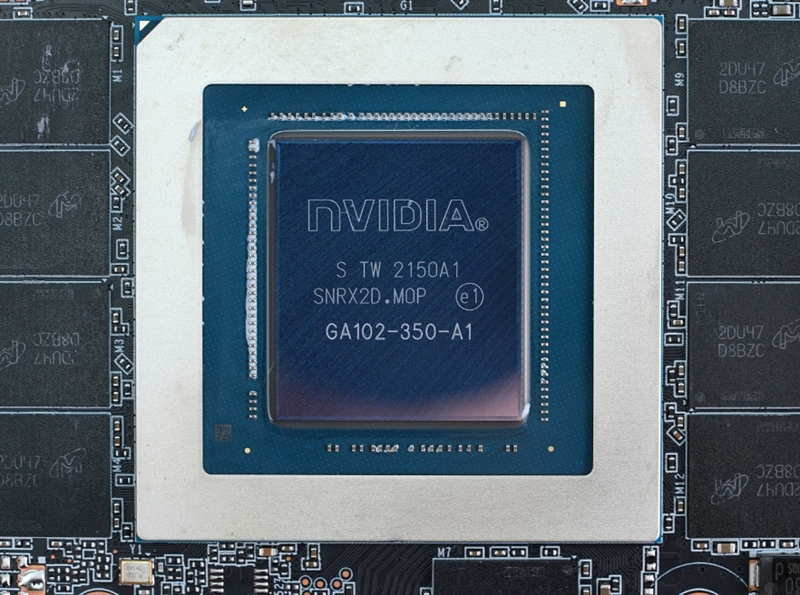
GA102-350-A1 core, 10,752 stream processors, with a core area of 628.4mm2 and 28.3 billion transistors.
Around the core is Meguiar’s GDDR6X video memory, with a total of 12, each with a capacity of 2GB and a total capacity of 24GB. The frequency is 21GHz, the bit width is 384Bit, and the memory bandwidth is 1008 GB/s.
This is different from RTX 3090, all the video memory is placed on the front, and the temperature of the video memory is easier to control.
Third, the test platform: TT TOUGHPOWER PF1 1250W white gold power supply.
The test platform is as follows:
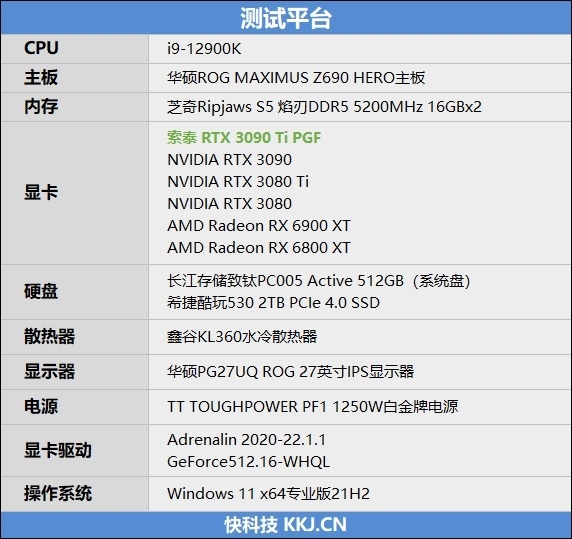
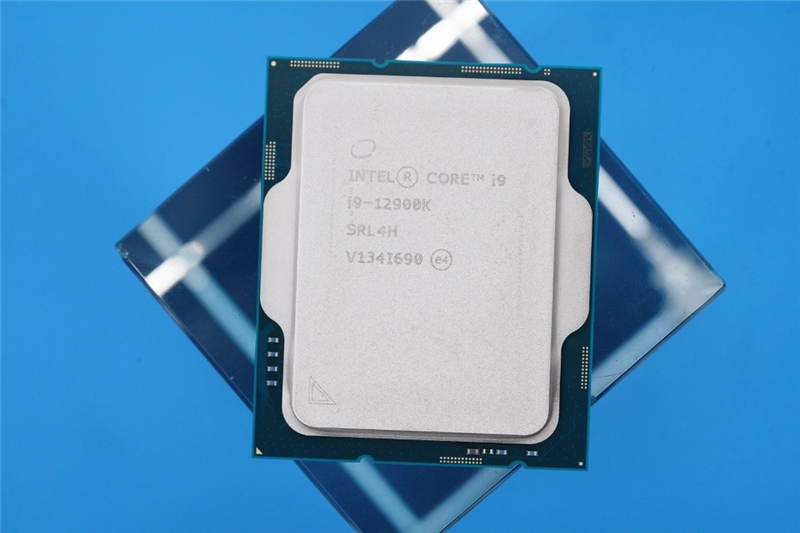
I9-12900K processor.
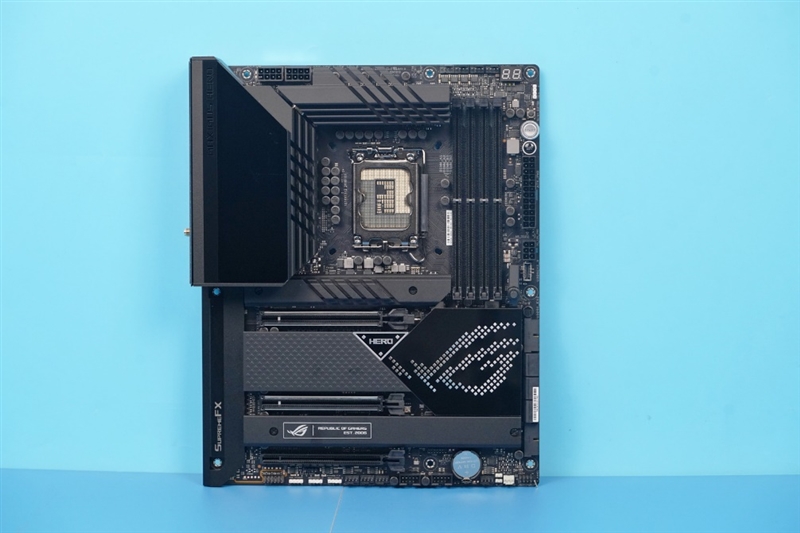
ASUS ROG MAXIMUS Z690 HERO motherboard adopts 20+1 phase power supply circuit design, and each phase contains a 90A DrMOS, a ROG superalloy inductor and a 10K black gold capacitor.
Asustek’s control of processor voltage has reached a superb level. ROG MAXIMUS Z690 HERO motherboard can make i9-12900K and i5-12600K processors run stably at very low voltage. As for how low it is, we will talk about it later.
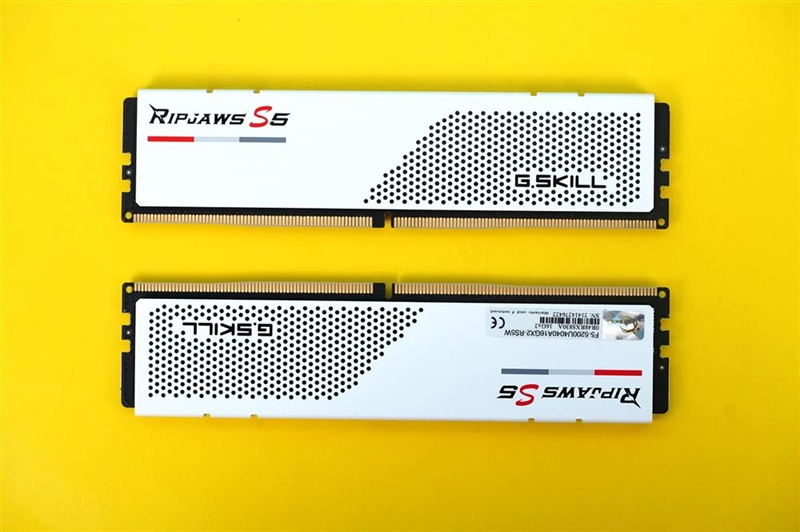
Chichi Ripjaws S5 flame blade DDR5 5200MHz 16GBx2 sleeve, frequency 5200MHz, time sequence 40-40-76, voltage 1.1V Gear 2 mode was used in the test.
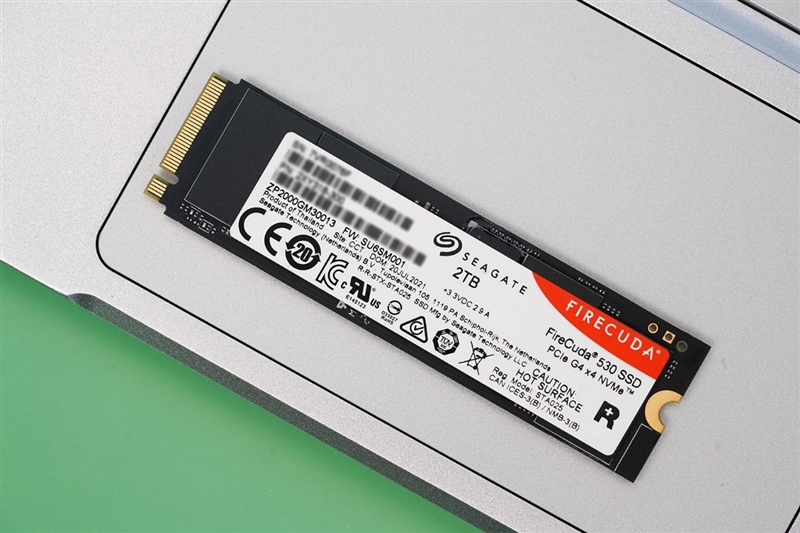
Seagate Cool Play 2TB SSD, one of the strongest PCIe 4.0 SSD at present, the sequential reading and writing speed can reach 7000MB/s, and AS SSD runs easily over 12000.
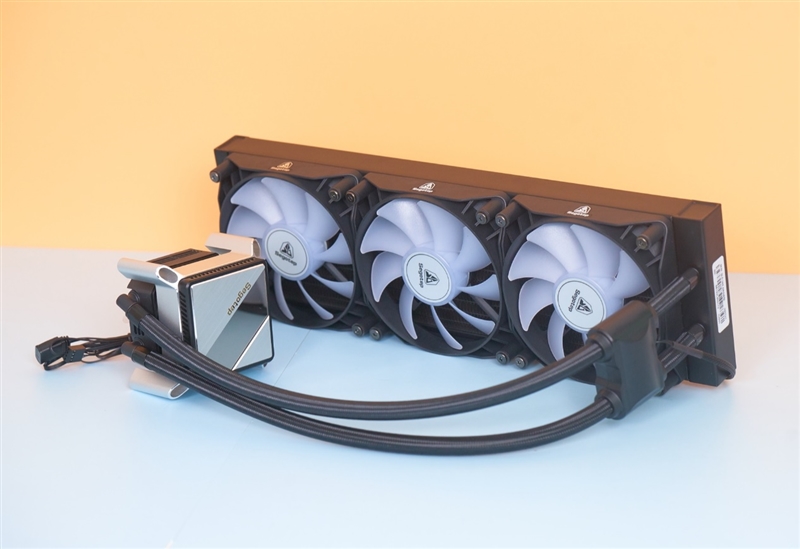
Xingu Kunlun KL-360 ARGB water-cooled radiator adopts an exclusive separate water pump, and a 70mm PWM fan is embedded in the cold head, which can directly blow to the power supply circuit of the motherboard, which can reduce the VRM temperature by 12 degrees compared with the traditional water-cooled radiator.
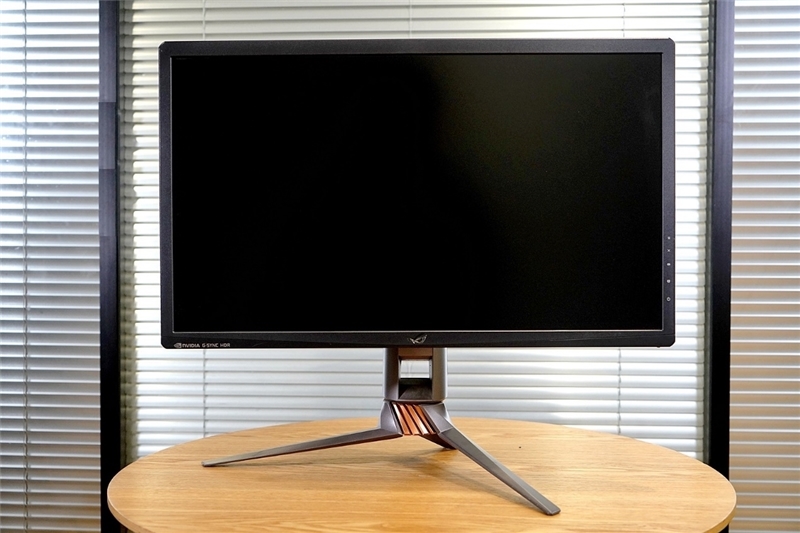
Asus player country PG27UQ ROG 27-inch IPS esports display.
4K UHD(3840*2160) resolution, 4ms response time, 144Hz refresh rate, G-Sync technology, IPS+ quantum dot panel, 10bit color, and Display HDR1000 certification. It is still the top e-sports display on the market.
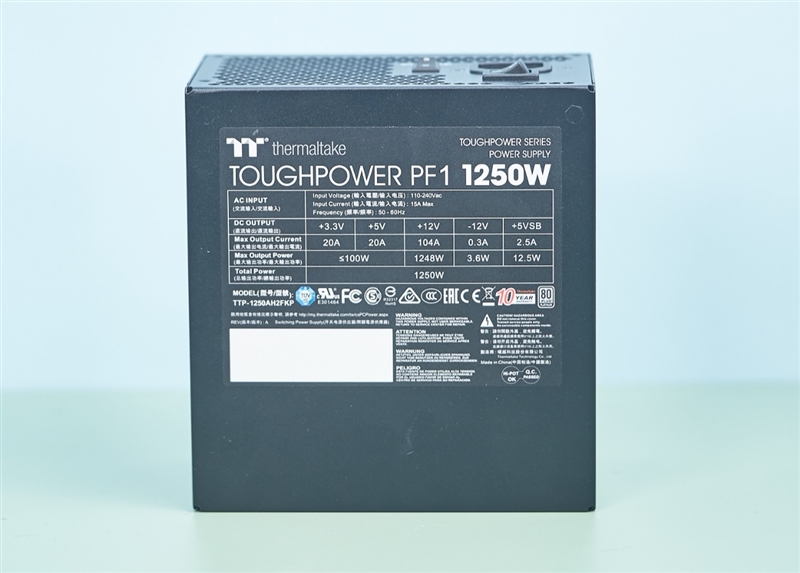
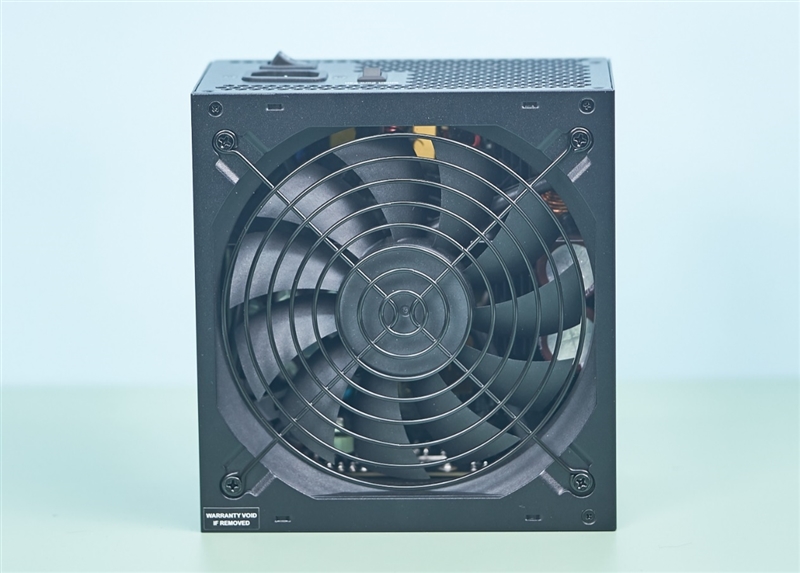
TT TOUGHPOWER PF1 1250W white gold medal power supply, fully modular design, single channel 12V output current 104A, 1248W output power.
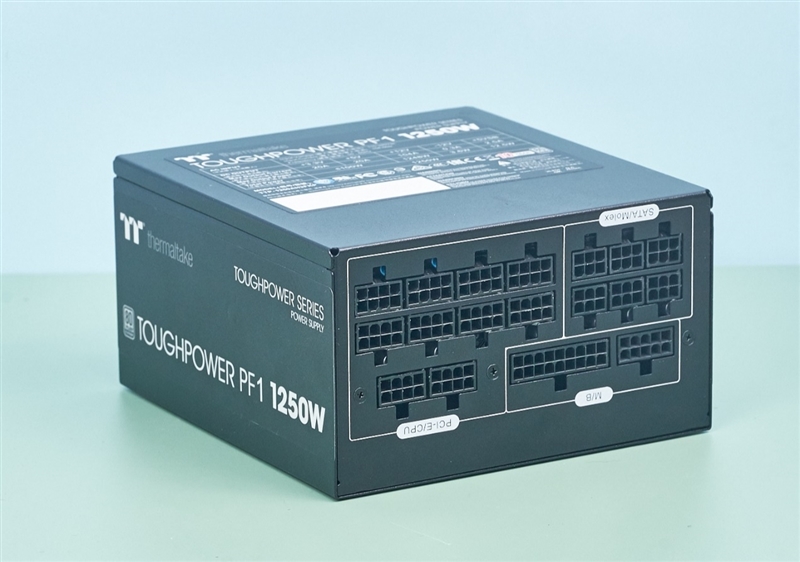
8 graphics cards with 8 pins, 2 CPU/ graphics cards with 8 pins, 4 SATA 6PIN and 24Pin power sockets.
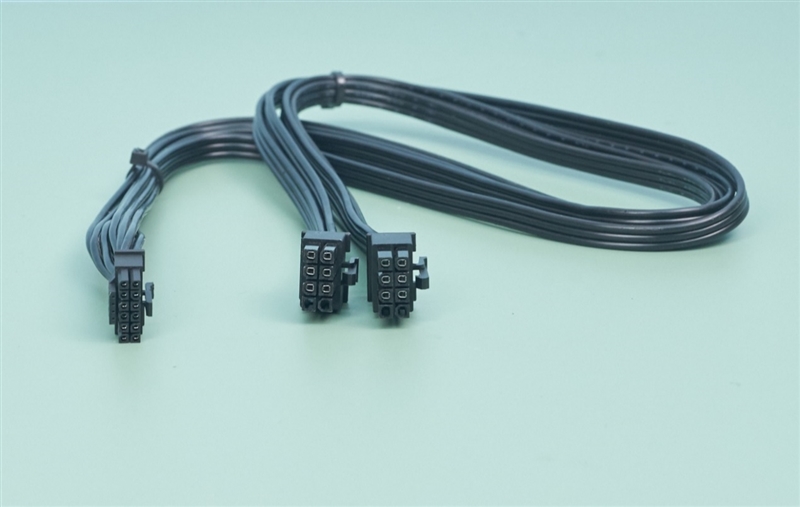
This is the 16-pin power cord, which needs to occupy two 8-pin sockets of graphics cards on the power supply, and the power supply is equivalent to 3x8Pin.
Iv. 3DMark test
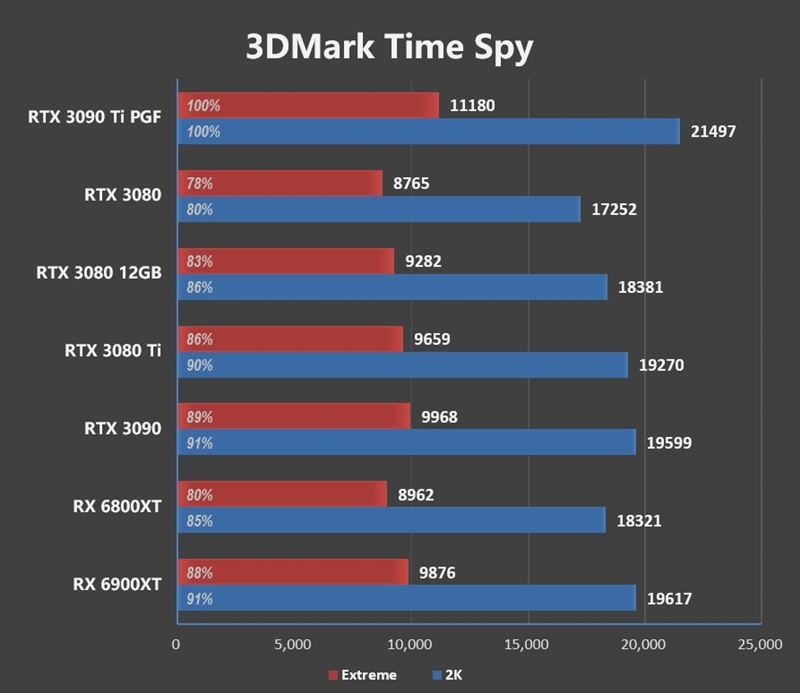
1、3DMark Time Spy
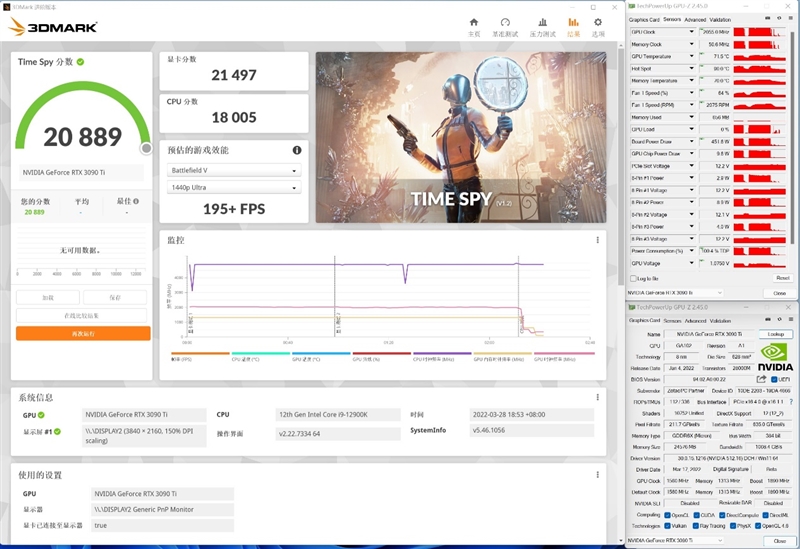
In the 2K resolution 3DMark Time Spy test, the graphics score of RTX 3090 Ti PGF reached 21,497, with the highest core temperature of 71℃, the highest hotspot temperature of 90℃, the memory temperature of 70℃, the highest core operating frequency of 2055MHz, the highest fan speed of 2075RPM and the highest power consumption of 452W W..
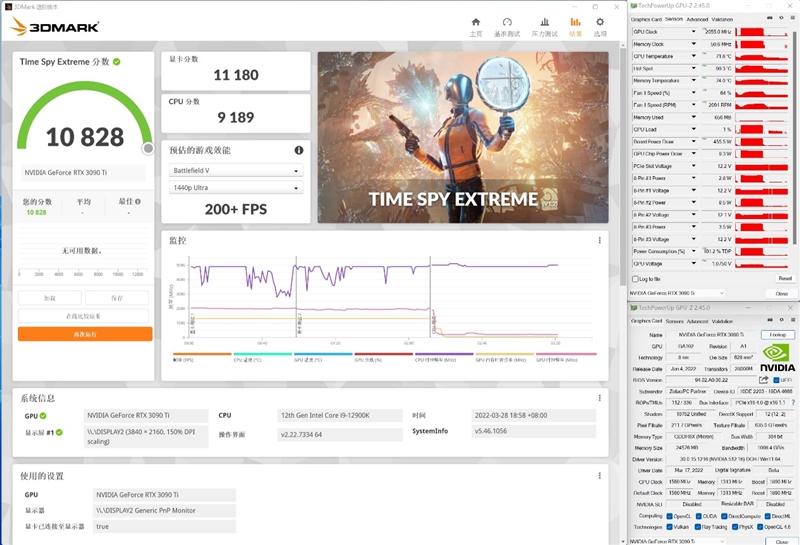
In the 4K resolution 3DMark Time Spy Extreme test, the graphics score of RTX 3090 Ti PGF reaches 11,180 points, the highest core temperature is 72℃, the highest hotspot temperature is 90℃, the highest memory temperature is 74℃, the highest core operating frequency is 2055MHz, the highest fan speed is 2091RPM, and the highest power consumption is 456W W..
2、3DMark
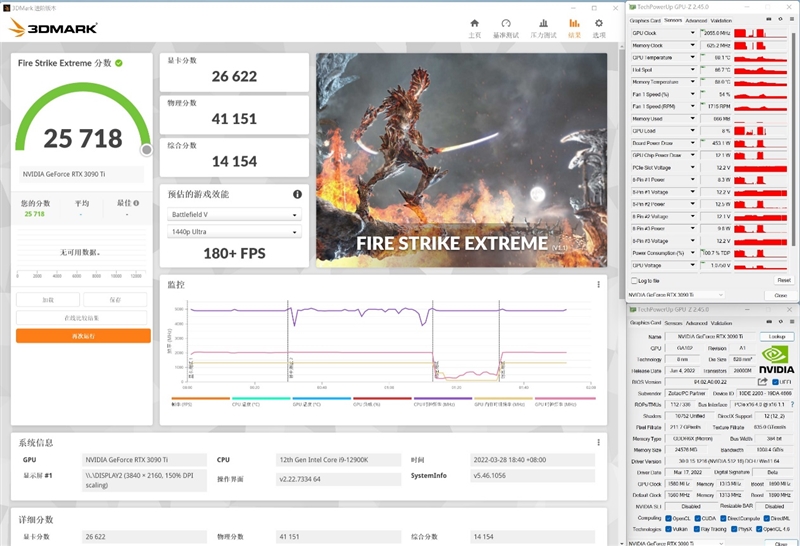
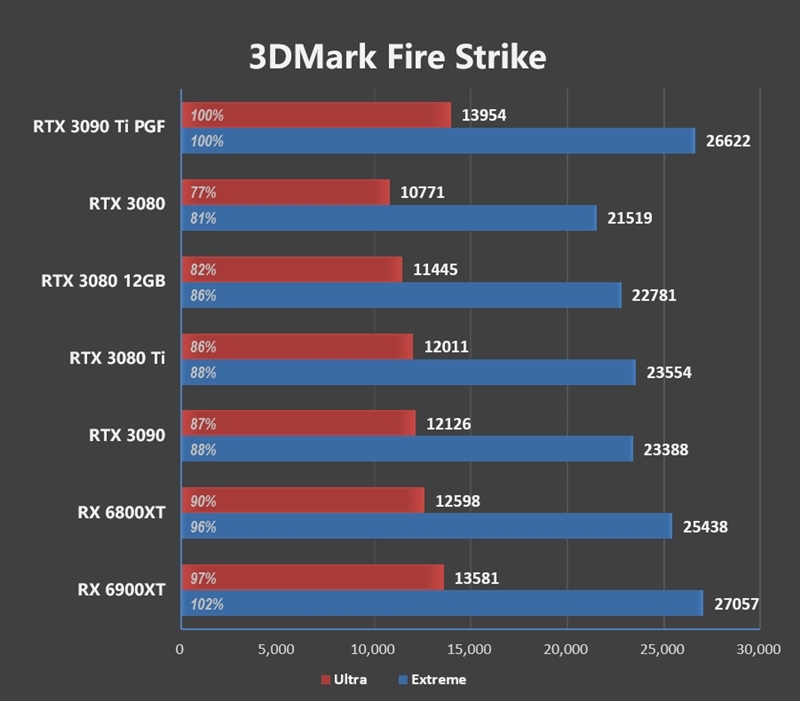
In the 2K resolution 3DMark Fire Strike Extreme test, the graphics score of RTX 3090 Ti PGF reached 22,781 points, the highest core temperature was 69℃, the highest hot spot temperature was 87℃, the memory temperature was only 68℃, the highest core operating frequency was 2055Hz, the highest fan speed was 1715RPM, and the highest power consumption was 453W W..
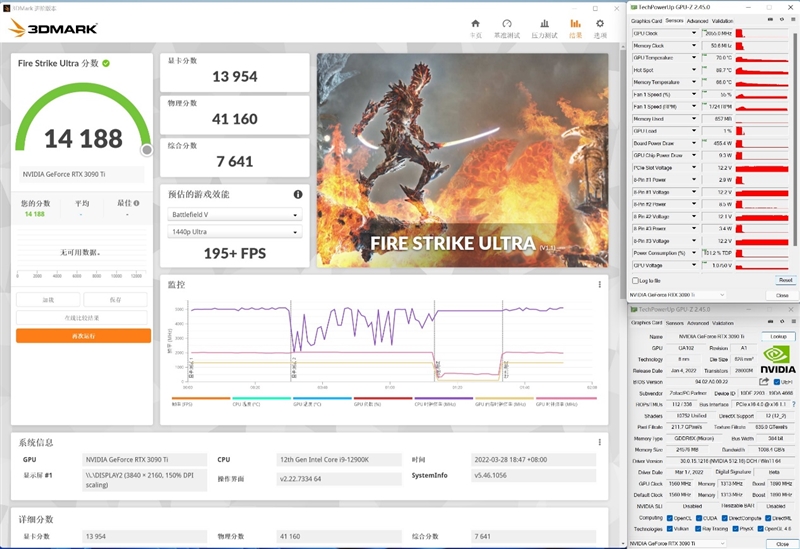
In the 4K resolution 3DMark Fire Strike Ultra test, the graphics score of RTX 3090 Ti PGF reaches 11,445 points, the core temperature is 70℃, the hot spot temperature is 90℃, the memory temperature is only 66℃, the core operating frequency is 2055MHz, the fan speed is 1724RPM, and the power consumption is 455W W..
V. 4K game performance test: 10% faster than RTX 3090.
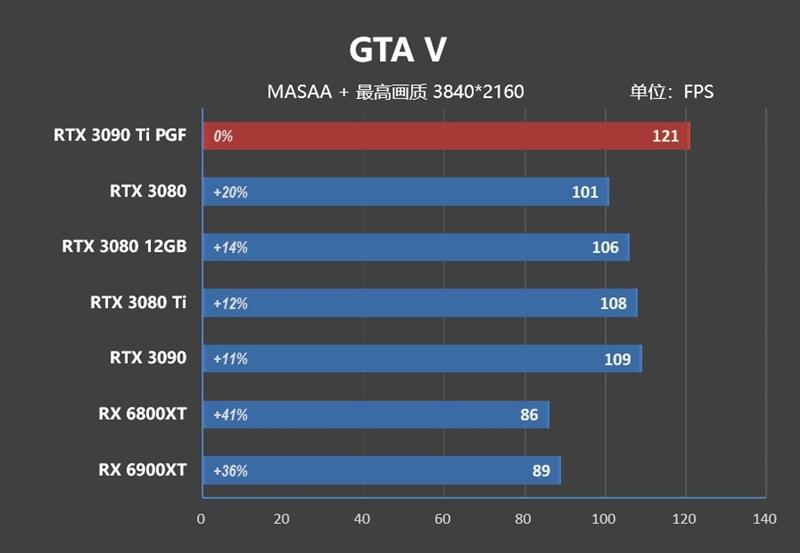
1、 GTA V
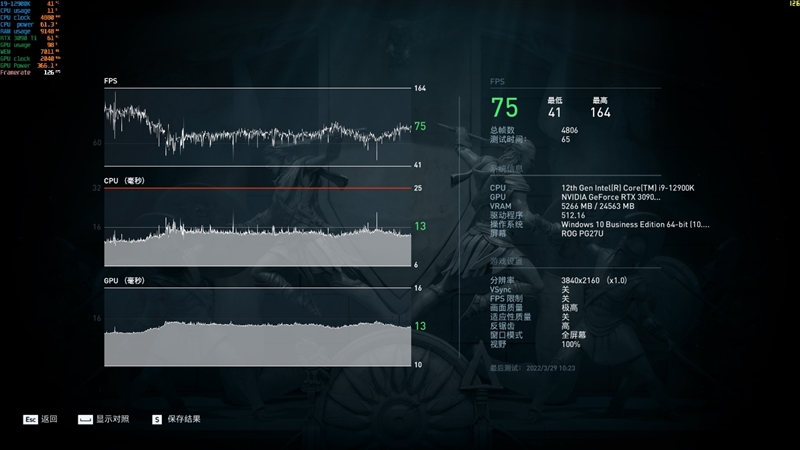
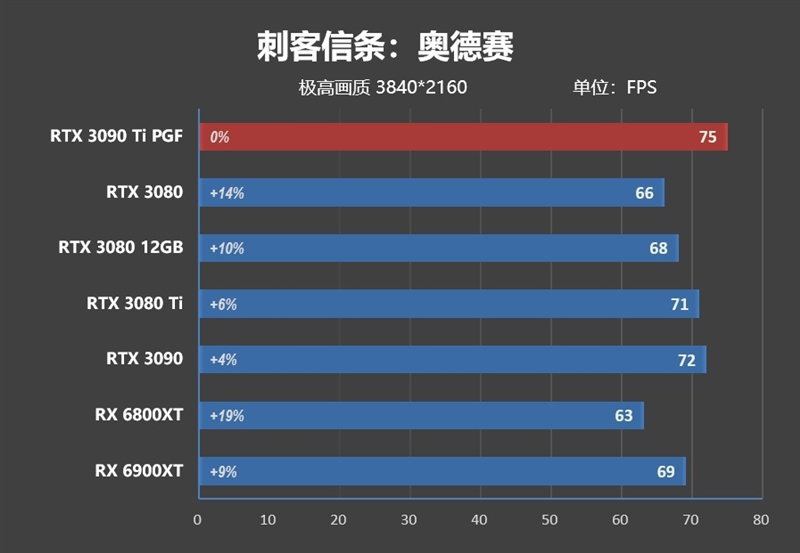
2. Assassin’s Creed: Odyssey
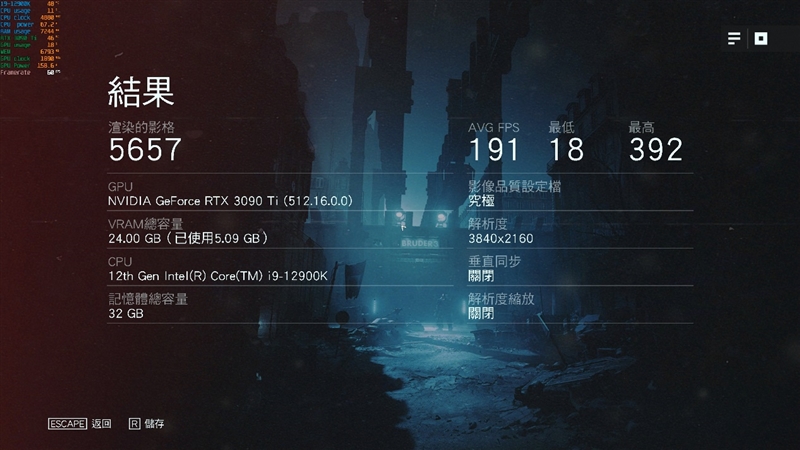
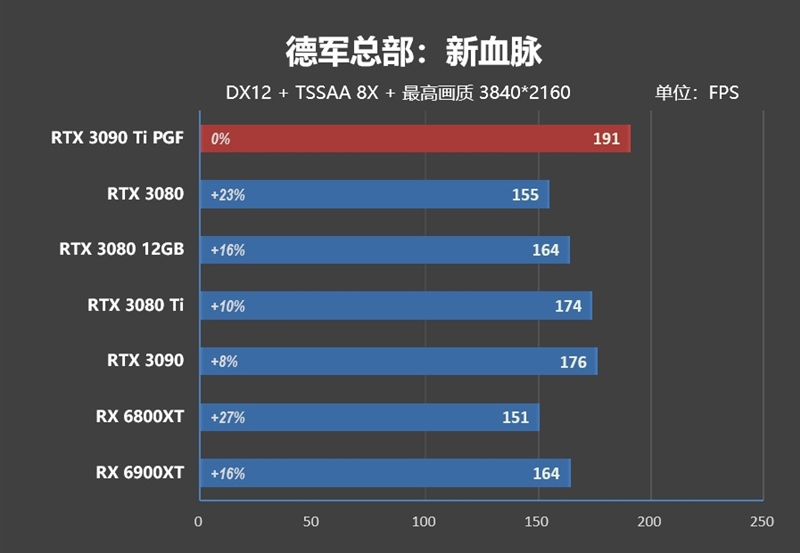
3. castle wolfenstein: New Blood.
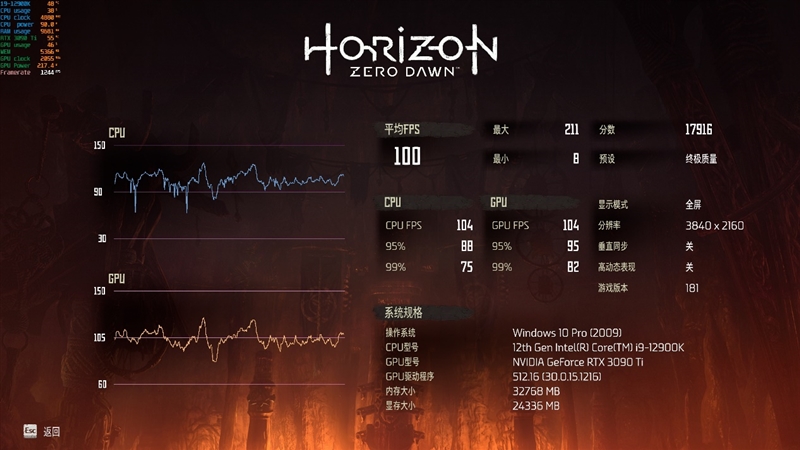
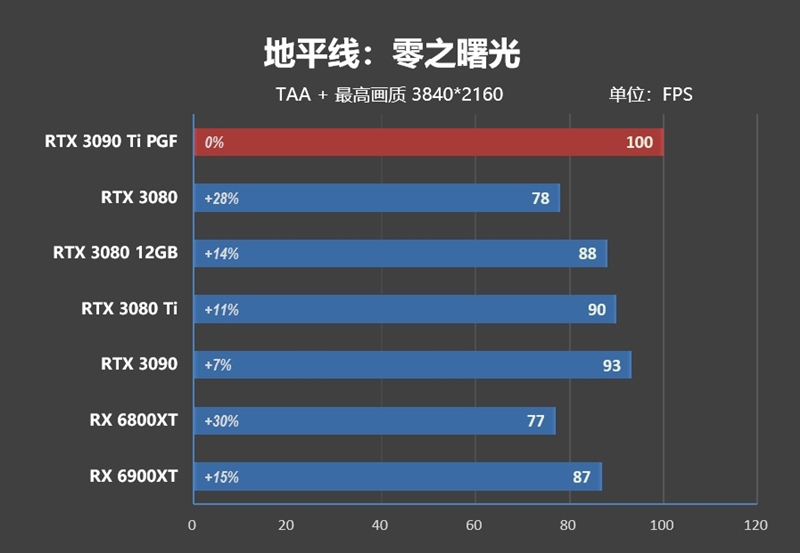
4. Horizon: Dawn of Zero
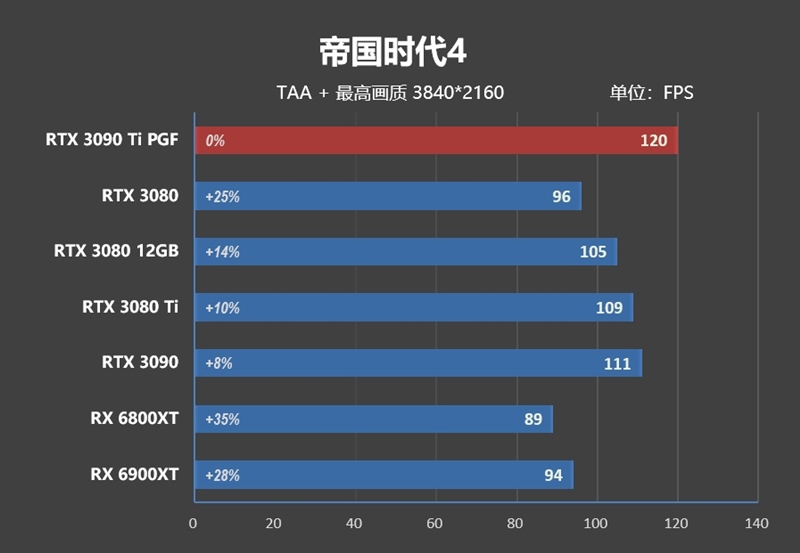
5. Age of Empires 4

6. Cry of the Island 5
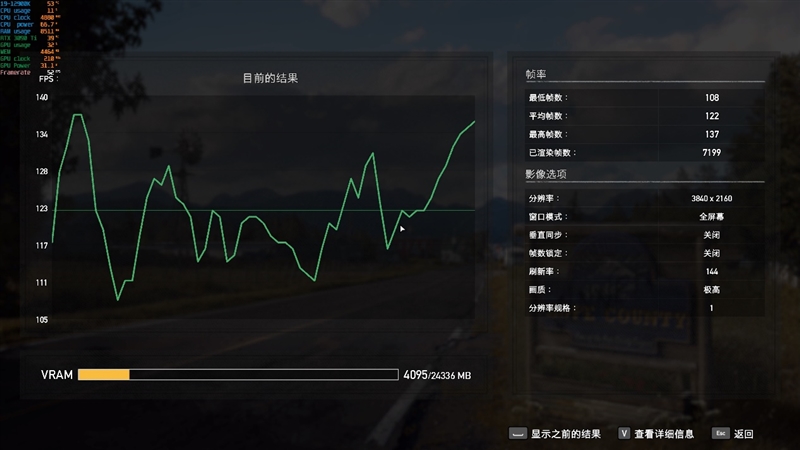
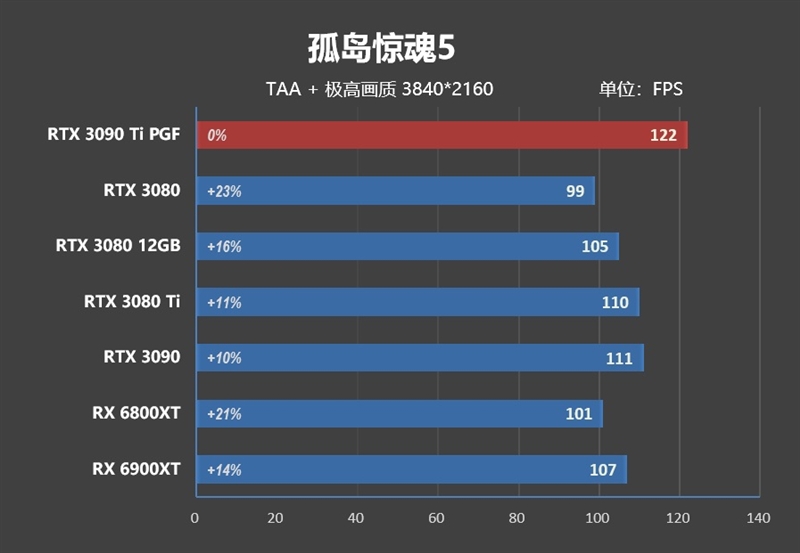
7. Tomb Raider: Shadow
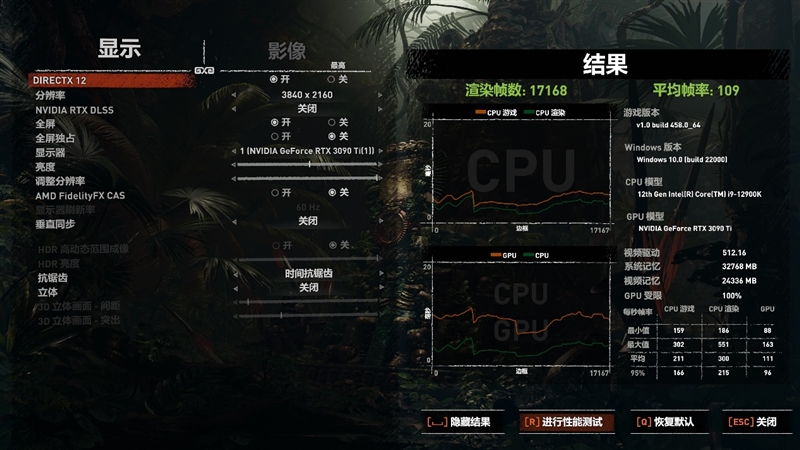
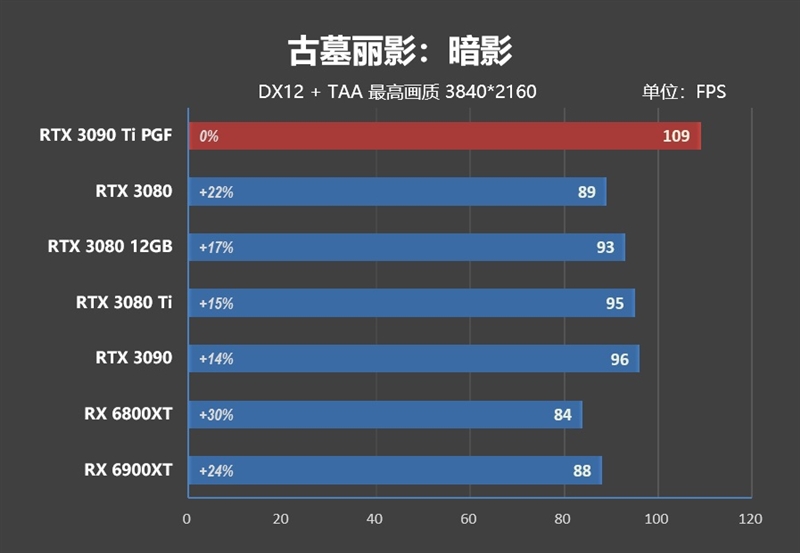
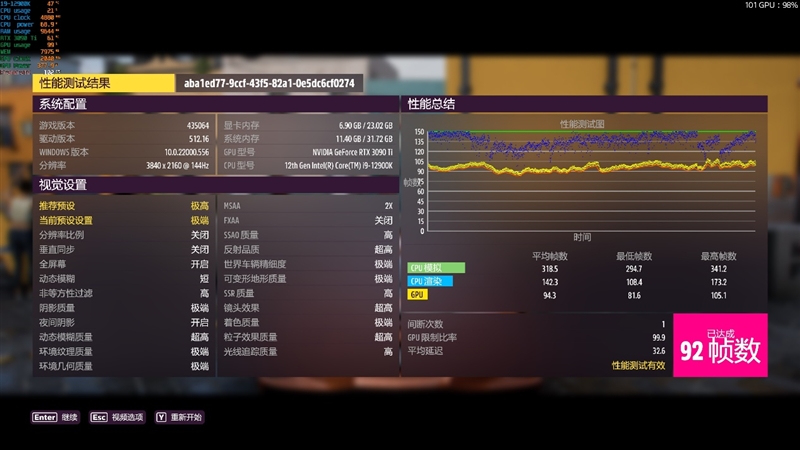
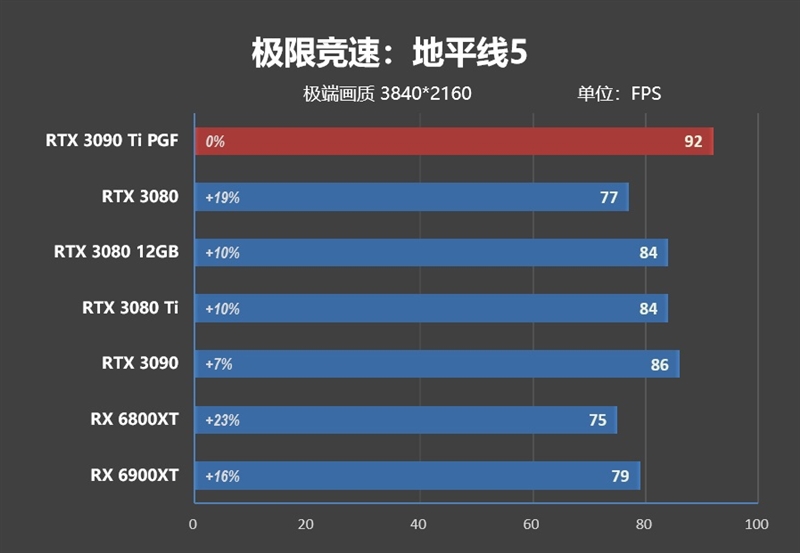
8. Extreme Racing: Horizon 5
9. Jedi survival
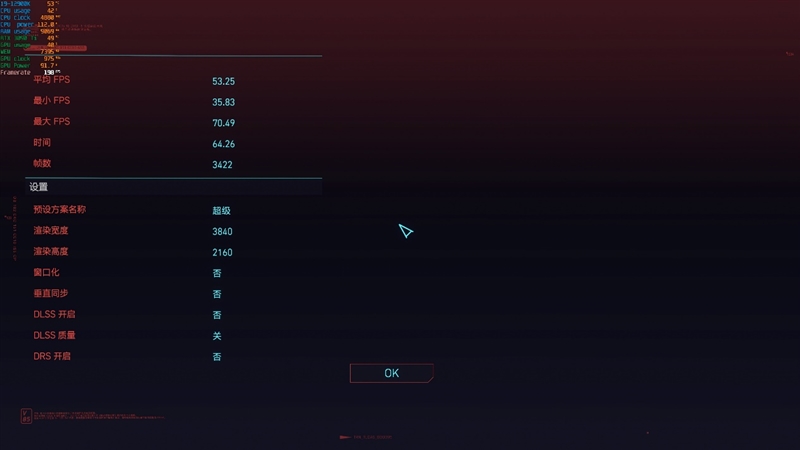
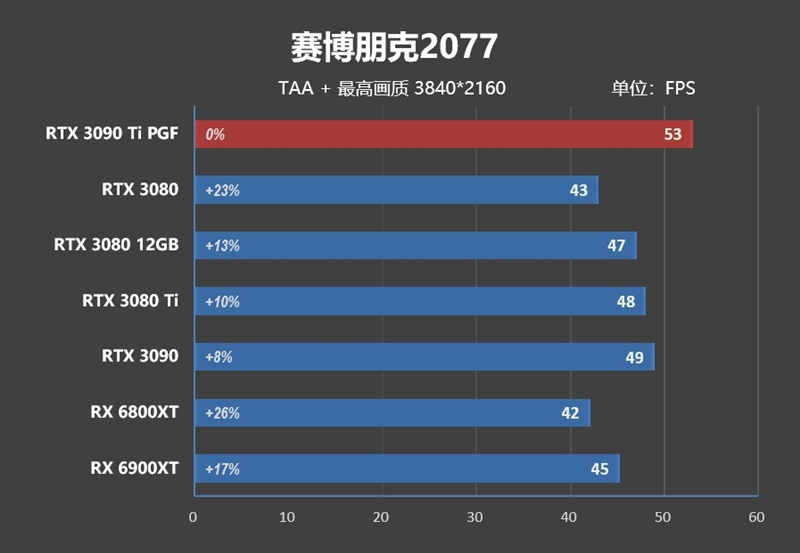
10. Cyberpunk 2077
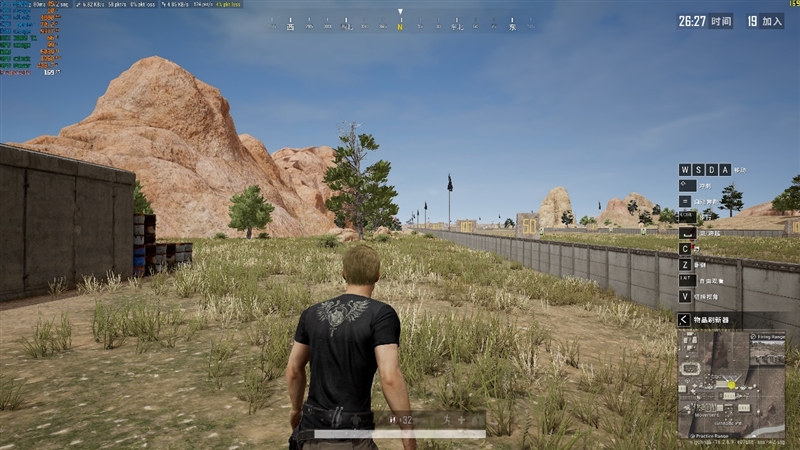
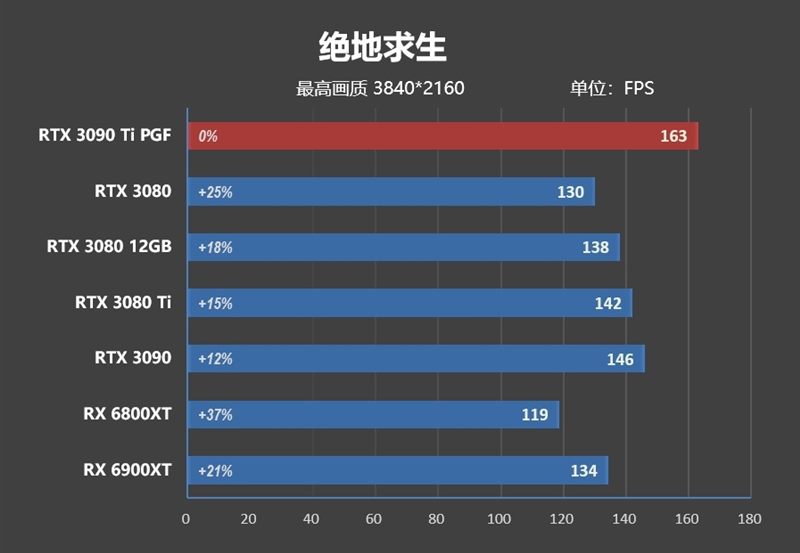
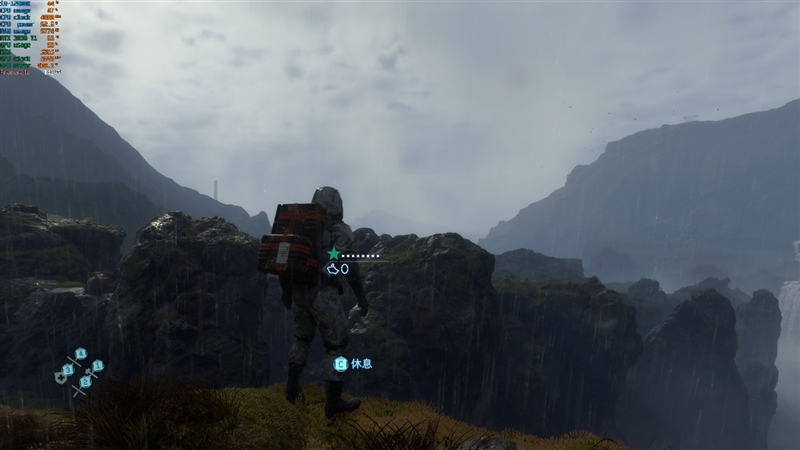
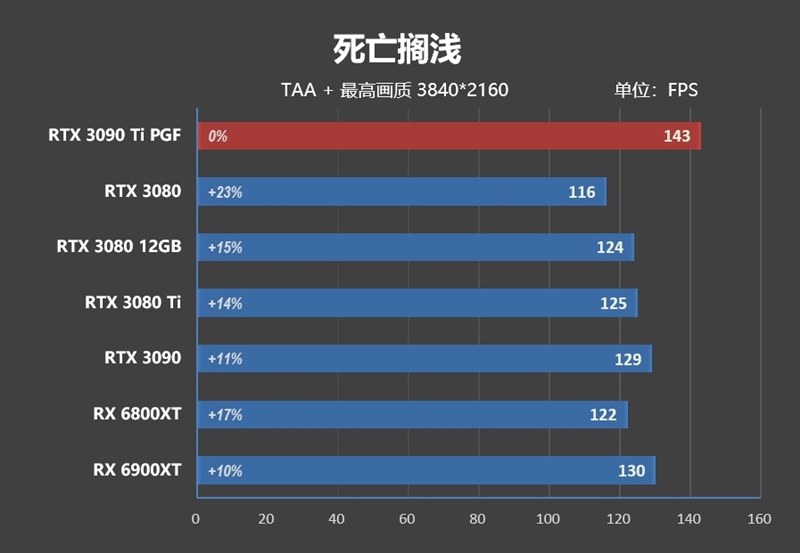
11. Death ran aground
12. Wizard 3
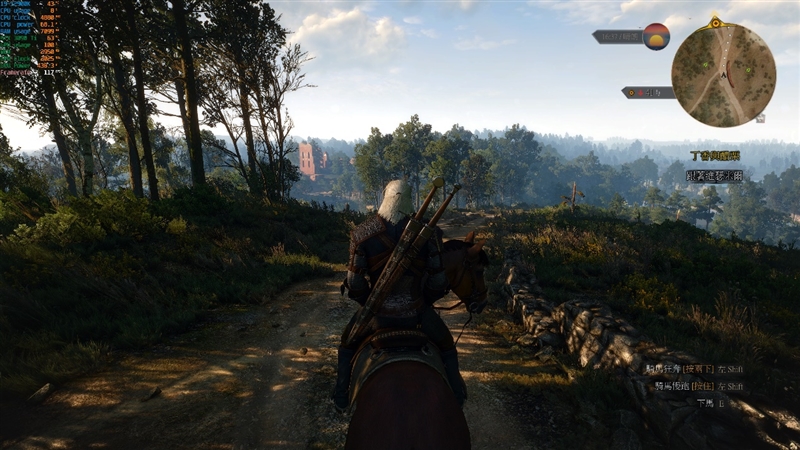
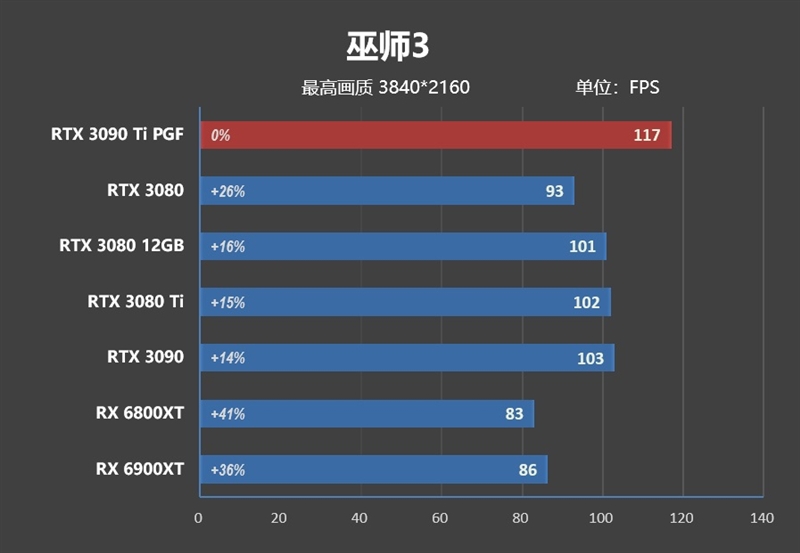
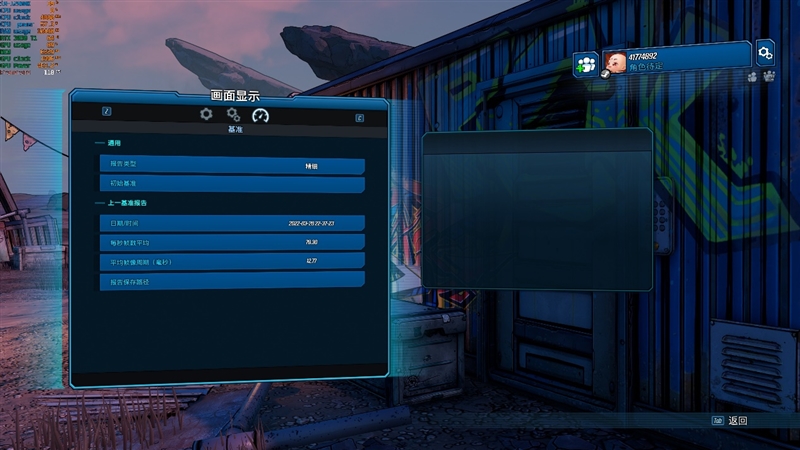
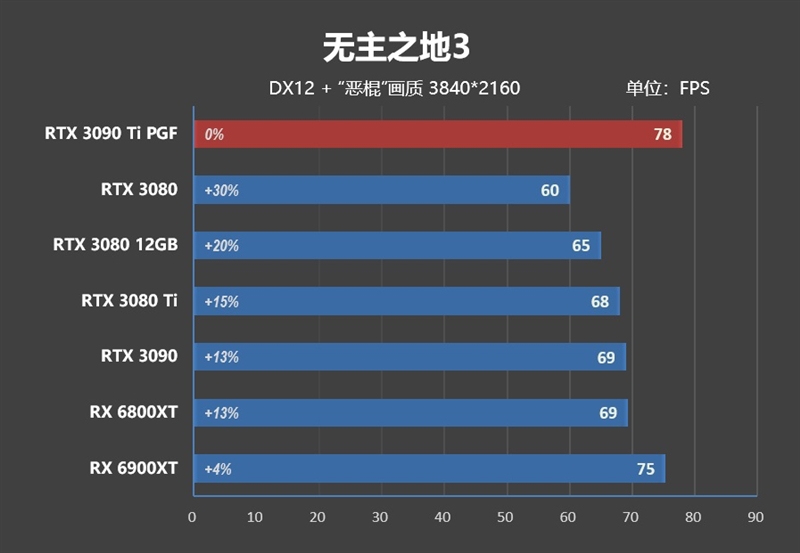
13, no land 3
14, war machine 5
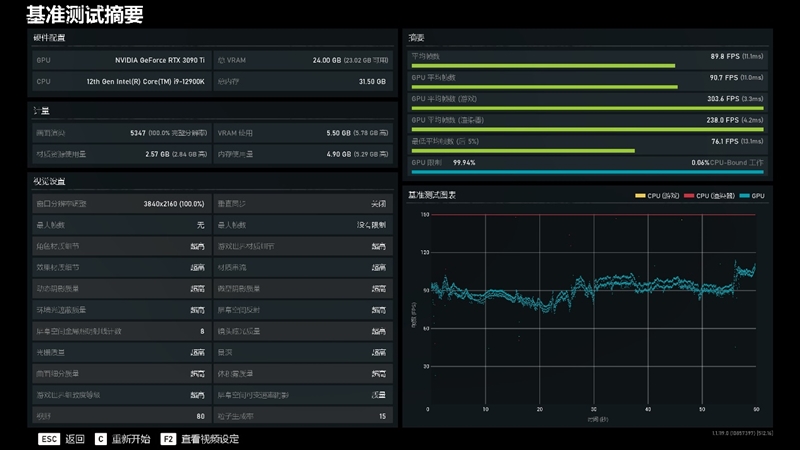
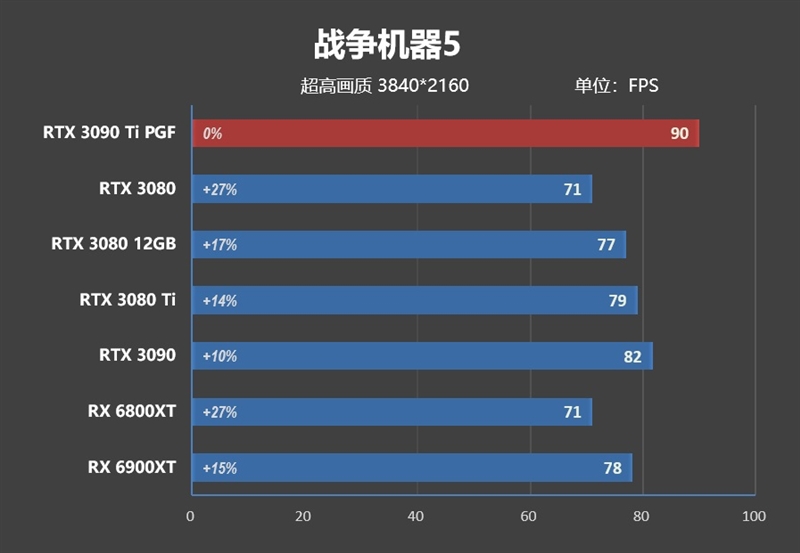
The test data are summarized as follows:
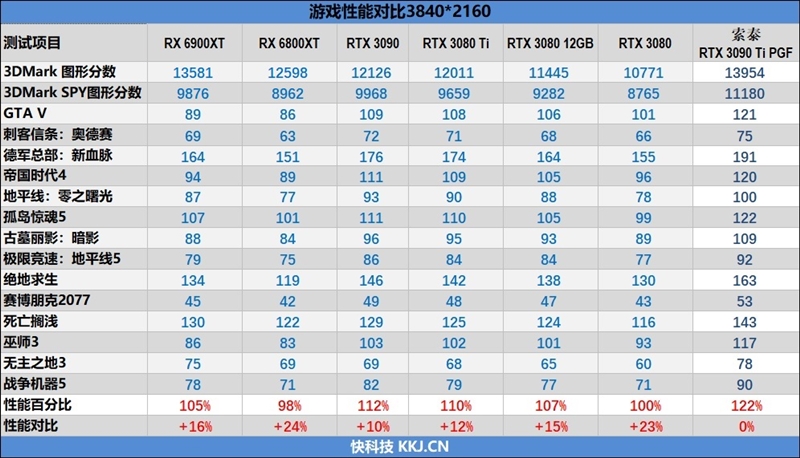
The goal of RTX 3090 Ti is 8K games, and then we didn’t have 8K monitors for the time being, so we only tested the results with 4K resolution.
At 4K resolution, the performance of Sotai RTX 3090 Ti PGF is 23% stronger than RTX 3080, 12% faster than RTX 3080 Ti and just 10% stronger than RTX 3090.
As for AMD’s RX 6900 XT, due to the limitation of 128MB Infinity Cache, its performance at 4K resolution is not satisfactory, and there is a 16% gap with RTX 3090 Ti.
If any students want to know the performance of RTX 3090 Ti PGF at 1080P resolution, here are the test results of "Survival of the Jedi" for your reference.
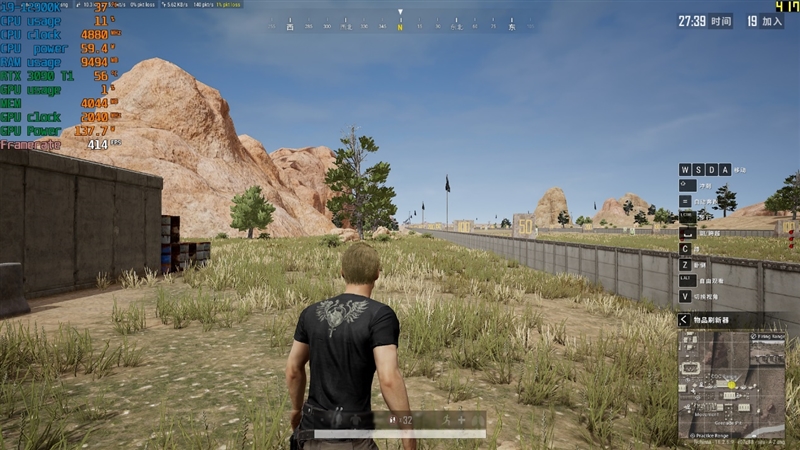
In Survival of the Jedi, RTX 3090 Ti is the first graphics card that broke through 400FPS.The average frame rate we tested was 402FPS, while the RTX 3090 was "only" 361FPS.
6. Temperature and overclocking test: The core temperature of the baking machine is only 70 degrees in half an hour.
1. Temperature test
Furmark was used to test the baking machine of Sotai RTX 3090 Ti PGF, and the test was that the room temperature was 24 degrees.
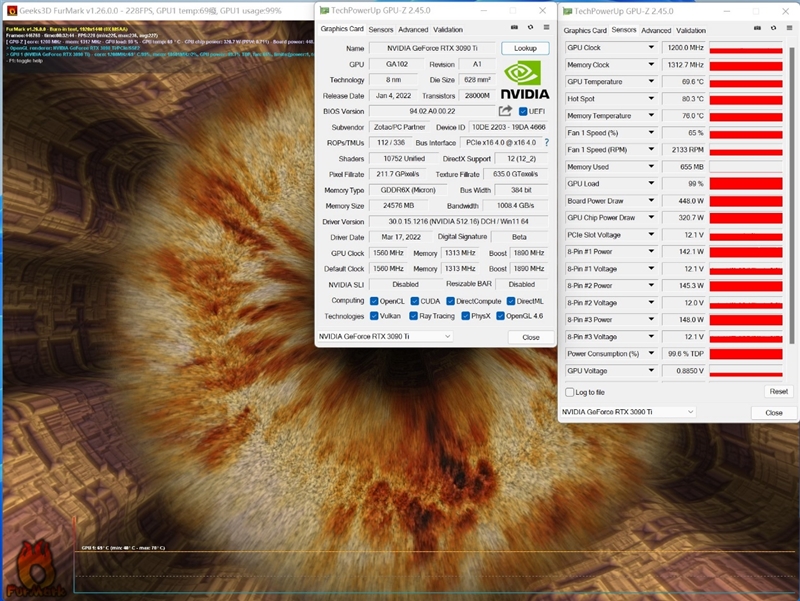
Furmark’s parameters are set to 1920*1080 resolution and 0AA. After running for 1 hour and 22 minutes, the temperature of RTX 3090 Ti is stable around 70 degrees, the temperature of Hot Spot is 80.3 degrees, and the memory temperature is only 76 degrees.The power consumption of the graphics card is stable around 450W W.
2, overclocking test
The Boost frequency of GeForce RTX 3090 Ti PGF is 1890MHz, which is 35MHz higher than that of the public version, and the TGP is as high as 450W, which is the same as that of the public version. There is still 45W overclocking space, and the maximum can be pulled to 495W by overclocking software.
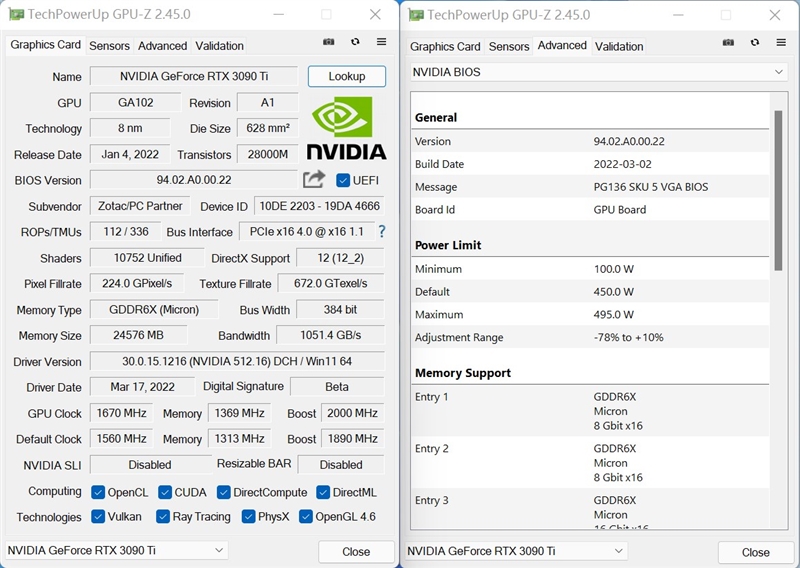
After many attempts, RTX 3090 Ti PGF can pass all kinds of tests when the core frequency is increased by 110MHz, and the Boost frequency reaches the horrible 2000MHz;. GDDR6X video memory can also overclock to 21.9GHz, and the bandwidth of video memory is 1051gb/s.
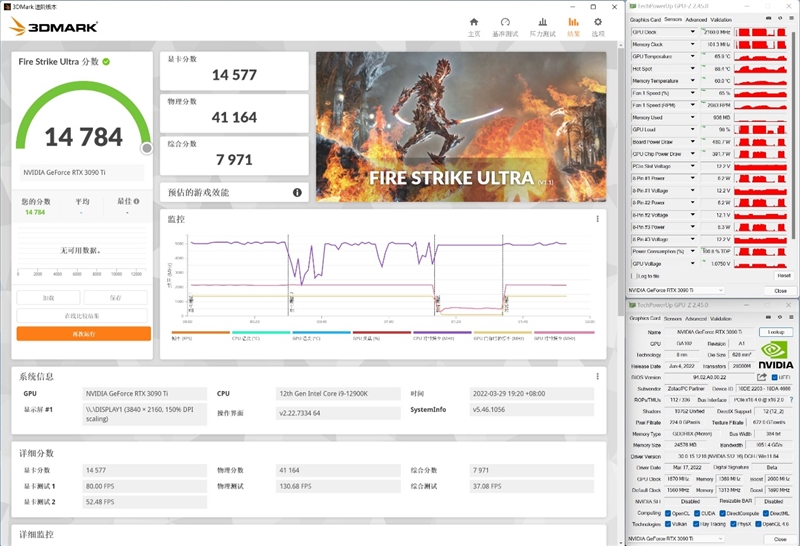
After overclocking, the graphic score of 3DMark Fire Strike Ultra increased from 14,577, which was 623 points higher than 13,954 when the frequency was silent, and the increase range was about 4.5%. The highest operating frequency reaches 2160MHz. The highest power consumption reached 481 watts, and the highest temperature was only 66 degrees.
Seven, summary: the world’s strongest game graphics card!
The content of this test is briefly described as follows:
1. Performance
At 4K resolution, the performance of RTX 3090 Ti is just 10% faster than that of RTX 3090 and 23% faster than that of RTX 3080.
Compared with AMD’s flagship RX 6900 XT, RTX 3090 Ti is 16% faster than AMD. The reason for this problem is that 128MB Infinity Cache is difficult to cope with 4K resolution.
As for the resolution of 1080P, the performance of RTX 3090 Ti is also furious. It is the first graphics card that can run 400FPS in Survival of the Jedi, which is more than 10% faster than RTX 3090 and RX 6900 XT.
2. Power consumption
RTX 3090 Ti TGP up to 450W is really incredible. When running Wizard 3, the power consumption of the whole machine actually reached 600W, and when running Tomb Raider: Shadow, the power consumption was even close to 700W.
In addition, it should be noted that RTX 3090 Ti has replaced the 16-pin power supply interface, which is not compatible with the previous 8-pin and 12-pin interfaces. After buying a graphics card, you need to buy another power supply with 16Pin interface.
3, overclocking
Although the acceleration frequency of Sotai RTX 3090 Ti PGF has reached 1890MHz, it can exceed 110MHz on this basis, and finally the acceleration frequency reaches 2000MHz.
After overclocking, the performance of RTX 3090 Ti PGF can be improved by 4.5% again.
Let’s talk about Sotai RTX 3090 Ti PGF again!
As the king of stacking materials, Sotai equipped this graphics card with 21-phase S.E.P power supply system, integrated DrMOS and all-tantalum capacitor, which can easily provide 500W power.
In terms of heat dissipation, eight ice pulse composite heat pipes, three 90mm fans and super-large-scale vapor chamber can control the core temperature of GPU below 70 degrees under the state of 450W full load.
It may be hard to say whether the power consumption of 100W is worth 10% performance improvement!
But one thing is certain: if you buy this RTX 3090 Ti, you will have the strongest game graphics card in the world.
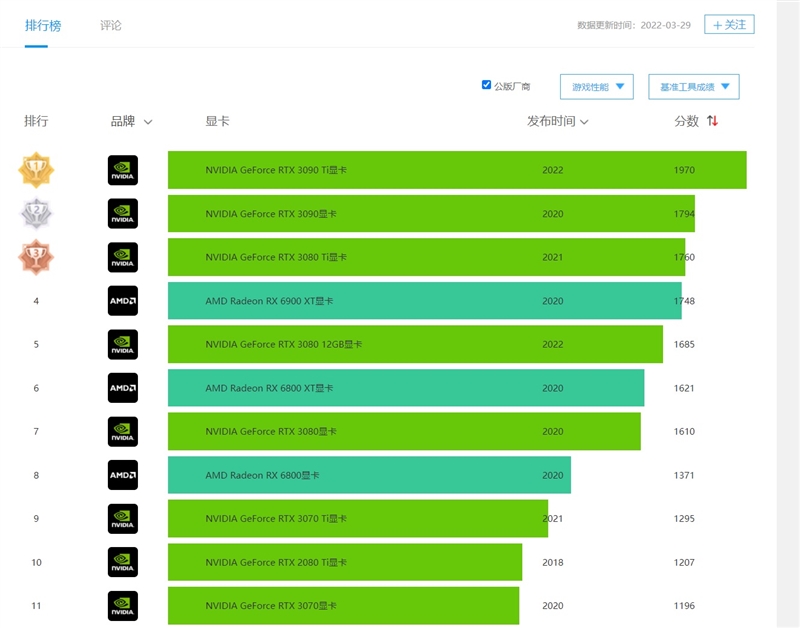
RTX 3090 Ti is the undisputed king of performance. Please refer to: