What’s the difference between stream B and stream A? Is the second wave of flu coming?
It’s winter
Children’s respiratory infectious diseases have entered a period of high incidence.
Some parents said:
"We had a swine flu last week.
When the high fever is over, send it to school.
After a week, I got hepatitis B and had a high fever for several days. "
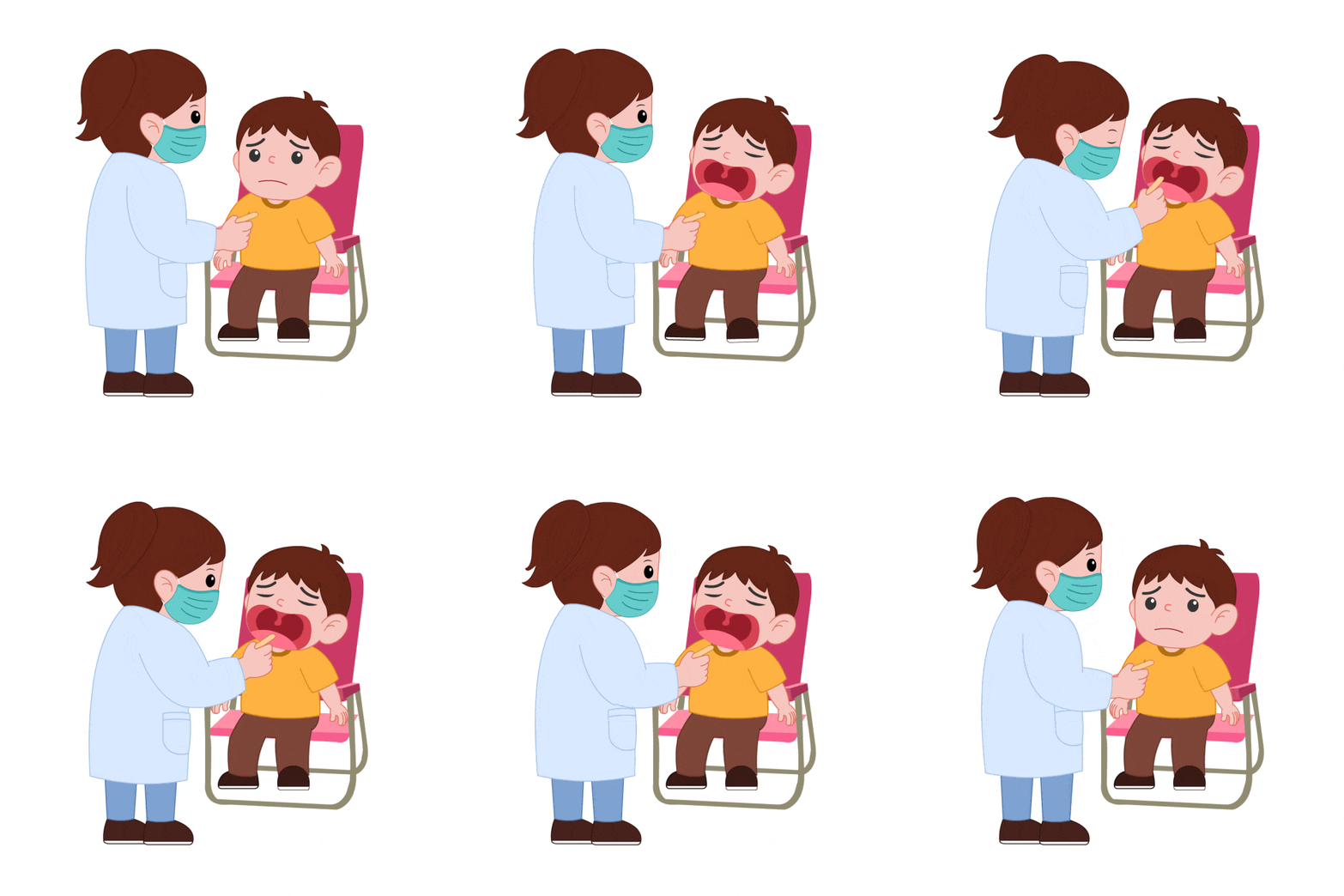
After a swine flu infection like this,
Followed by alternating infection with B-stream
Not a few
The frequency of being recruited in the second stream around you has increased.
Is the second wave of flu coming?

recent days
According to data released by Shanghai CDC,
The main epidemic strain of influenza in this city is still
A H3N2 subtype
The number of cases is higher than the same period last year.
Development trend and national influenza epidemic situation
The trend is generally consistent.
According to the National Influenza Center,
Published on December 21, 2023
The latest flu weekly
(As of December 17, 2023)
Monitoring data show that
B flow does have an upward trend.
↓↓↓
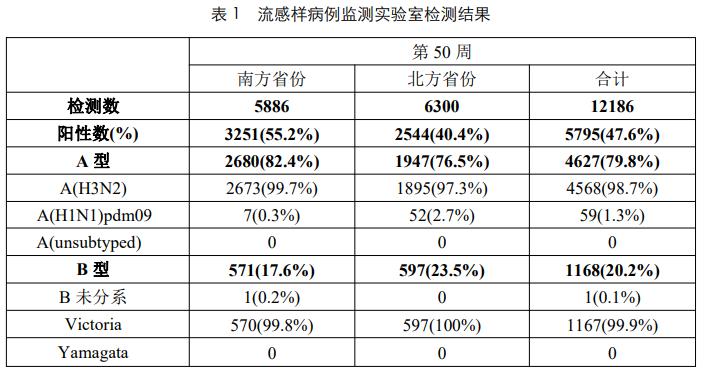
The positive rate of influenza virus detection in southern provinces has slowed down, while that in northern provinces has declined. Generally speaking, influenza A (type A) is still the main influenza, and it is worth noting that B (type B) is really active recently.
The proportion of influenza B has increased for six weeks in the north, from 4.6% in the 45th week to 20.2% in the 50th week, and for three weeks in the south, from 11.6% in the 47th week to 17.6% in the 50th week.

Six questions and six answers about influenza
What’s the difference between stream B and stream A?
There are some differences between influenza A and influenza B in terms of transmission route, symptoms and infectivity, but there are also many similarities.
Generally speaking, influenza A and influenza B are similar in infectivity, but influenza A is more likely to lead to a more serious epidemic because of its ability of genetic variation. Of course, the specific symptoms and course of disease of each person after infection vary from individual to individual. Timely vaccination against influenza is important to prevent both types of influenza.

High school students are more susceptible to infection than kindergarten children?
Influenza is common to all people. From the point of view of the disease itself, there is no difference in infection probability between different age groups.
Places where people gather are relatively more prone to illness. For example, in school, children stay together for a long time. As long as one person is infected, if measures are not taken in time, the scope of infection will usually expand quickly. The respiratory tract of younger children is not fully developed and their resistance is relatively poor; Older children, especially high school students, are under great academic pressure and generally live on campus. When flu patients appear in a dormitory or a class, it is really difficult for students around them to avoid being recruited.
Relevant experts said that many high school students don’t want to delay their studies, and they may want to carry it at the beginning of symptoms, and the most contagious time of influenza is just the first two or three days after symptoms appear. Therefore, it is suggested that children should inform their teachers or parents as soon as possible once they have symptoms, and don’t carry them hard.
Children in kindergartens have no academic pressure. As long as they have symptoms or even classmates have symptoms, parents will take preventive leave, and the probability of infection is naturally lower.

If you have had a stream or B stream, will you be infected again?
Influenza A and B are two different subtypes of influenza, and they do not have cross-immune mechanism. After being infected with influenza A or B, if the patient is relatively weak, there is still a chance to be infected with another subtype of influenza virus. Influenza vaccine can prevent both influenza A and influenza B at the same time, and the chances of vaccinated people suffering from influenza A and B are relatively small.
Generally speaking, the possibility of being infected with the same subtype of influenza virus within one year is very small. For example, influenza A virus subtype A(H3N2) is popular at present, and patients will have the immunity of this type of virus after infection, so the probability of being infected with the same type of virus again within one year is small. However, because influenza A virus is easy to mutate, people who have not been vaccinated may be infected with other subtypes of influenza A virus again.
In recent years, because there is not much variation of influenza B virus, the spread range is relatively small, and the probability of being infected with B stream again within one year is also small.
Why do some people have a fever four times in two months?
Individual adults or students with poor physique will also have fever after secondary infection if the virus has not been completely removed from the body in the previous time.
In addition, in addition to influenza, there are respiratory diseases such as respiratory syncytial virus, coronavirus and mycoplasma pneumoniae in autumn and winter, and symptoms such as fever and cough will also occur.

How long can I go back to school after the flu has gone down?
The course of upper respiratory tract infection caused by influenza is about one week. After one week, the number of viruses will be significantly reduced. At this time, the detection of antigens or nucleic acids is basically negative, which also means that the infectivity of viruses is greatly reduced. It is safe for classmates to go back to school.
For senior high school students, especially senior three students who are in the sprint stage, it is really unrealistic to take a week off. At present, many schools advise children to return to school after 48 hours of fever reduction, which is also relatively scientific. After the normal body temperature, the viral load in the body has been greatly reduced. Even if the virus is still transmitted, the possibility of causing disease is not too great. Of course, this does not mean that it is not necessary to do a good job of protection. Whether it is the patient himself or his classmates, it is recommended to wear a mask within one week.
There is also a possibility that it is a recessive infected person who has no symptoms, but has been infected with the virus and is short-term contagious. The virus excreted by influenza through droplets such as coughing and sneezing can exist in the air for about 30 minutes, so it is best to cover your nose and mouth with paper towels when sneezing or coughing without wearing a mask, and don’t throw away the used paper towels at will.
In addition to vaccination, how to increase children’s immunity every day?
Vaccination is an important means to prevent influenza in children. It is generally recommended that the best vaccination period is two or three months before the peak of influenza. After vaccination, antibodies will generally be produced in the body in 2-3 weeks, and the protection period can basically last for one year. As the Spring Festival approaches and the social mobility of people increases, children who have not been infected with influenza virus can still seize the opportunity to get influenza vaccine.
Experts suggest that schools and residences should be ventilated regularly, especially those with flu patients at home, so as to keep ventilation and reduce the virus concentration in a closed environment; Reduce going to densely populated places, and be sure to wear masks when going to public places, especially hospitals; Washing your nose with normal saline every day helps to reduce the chance of virus infection.

How to deal with the high incidence of influenza in winter
Respiratory diseases are high in winter, and many respiratory diseases are intertwined. What’s the difference between flu and common cold? How to deal with it scientifically?
Avoid misunderstanding
Myth 1: The flu is the common cold.
Every October, all parts of China enter the flu season in winter and spring. Influenza is a respiratory infectious disease caused by influenza virus. The common cold is caused by many pathogens, including rhinovirus, coronavirus, parainfluenza virus, respiratory syncytial virus and coxsackie virus. Compared with the common cold, the flu has a sudden onset, with high fever, chills, headache, myalgia, general malaise, fatigue, loss of appetite and other symptoms, and the risk of serious complications and death is much higher than that of the common cold.
Myth 2: Without respiratory symptoms, it is not the flu.
Experts say that after children are infected with the flu, sometimes the main symptoms are nausea, vomiting, diarrhea and other digestive tract symptoms. Children have more digestive tract symptoms than adults, which are common in influenza B. Newborn influenza is characterized by lethargy and refusal to give milk.
Myth 3: Anti-viral treatment can only be started if the influenza virus is positive.
During the influenza epidemic season, high-risk groups should start treatment as soon as possible once they have flu-like manifestations, without waiting for the results of laboratory diagnosis of influenza virus. First, because virus detection takes a certain time and has a certain false negative rate, negative results cannot completely rule out the possibility of influenza. Second, early anti-influenza virus treatment can significantly interfere with the symptoms of children with severe influenza.
How to prevent and treat influenza?
Vaccination against influenza every year is the most effective means to prevent influenza, which can significantly reduce the risk of influenza and serious complications. Because influenza viruses are highly variable, the composition of influenza vaccine will be updated every year. The protective effect of influenza vaccine can generally last for 6-8 months, and it usually takes 2-4 weeks to produce protective antibodies.
Experts say that babies can only be vaccinated after they are 6 months old, and the existing flu vaccine cannot be directly vaccinated to children under 6 months old. This group of people can prevent influenza through vaccination of mothers during pregnancy and vaccination of family members and caregivers of babies. Patients with acute disease, severe chronic disease or acute attack of chronic disease are advised to be vaccinated after recovery or stable control of their condition.

If antiviral drugs are used, they should be carried out under the guidance of a doctor. Neuraminidase inhibitor is an effective drug to treat influenza A and B. Early application, especially within 48 hours of onset, can significantly reduce the severe rate of influenza. It should be noted that drug prevention can not replace vaccination, but can only be used as an emergency preventive measure for patients who have not been vaccinated or have not obtained the best immunity within 2 weeks after vaccination.
Experts suggest that it is important to maintain good hygiene habits. Ying Qin should wash his hands, cover his nose and mouth with paper towels and towels when coughing or sneezing, and keep a balanced diet, exercise properly and get enough rest. During the flu season, people should try to avoid going to crowded places. When family members have flu patients, they should try to avoid close contact with each other. When influenza-like cases occur in schools and kindergartens, children should rest at home. When parents take their children to see a doctor, they should be well protected to avoid cross-infection.

Photo: Municipal Center for Disease Control and Prevention, Xinhua News Agency, Wen Wei Po
Original title: "What is the difference between B stream and A stream? Is the second wave of flu coming? 》
Read the original text